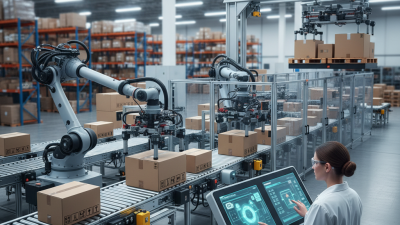
2026 Top Case Packer Machine Innovations and Trends What to Expect?
The packaging industry is rapidly evolving, with innovations in case packer machines leading the way. According to a recent report from MarketsandMarkets, the global case packer machine market is projected to reach $4.6 billion by 2026, driven by increased demand for efficiency and automation. Industry expert John Smith states, “The future of packaging lies in intelligent machines that adapt to various product types effortlessly.”
These advancements promise to enhance productivity, reduce labor costs, and minimize errors in packaging. For instance, the integration of AI and IoT technologies enables real-time monitoring and adjustments during the packing process. However, as we embrace these innovations, there are challenges to consider, such as the significant upfront investment and the need for technical training.
Overall, the 2026 case packer machine landscape will witness not only greater efficiency but also a shift towards sustainable practices. Companies need to reflect on their current capabilities and the adaptability of existing equipment to fully leverage these emerging trends.
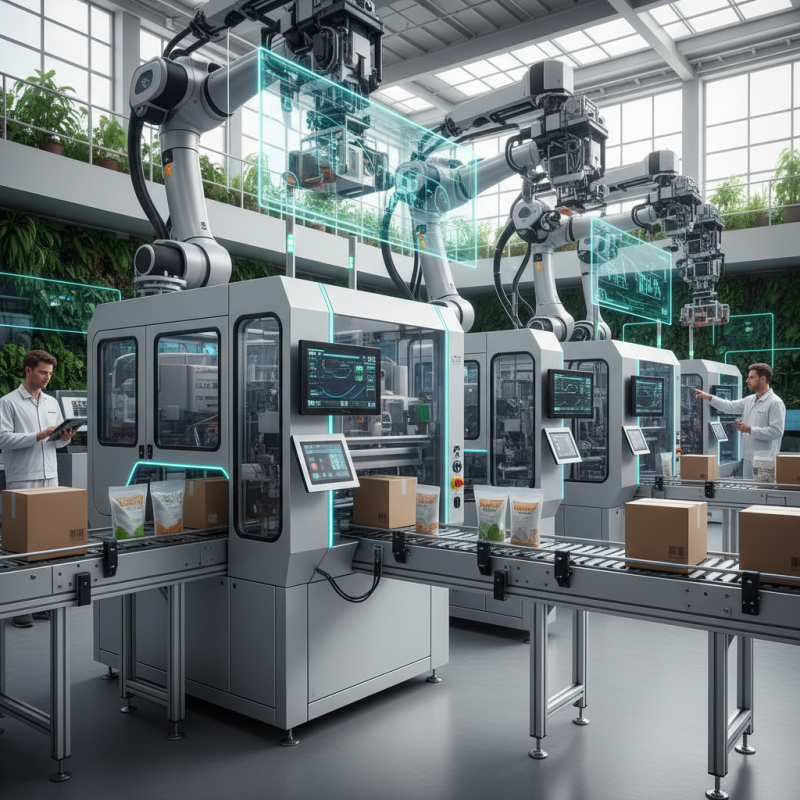
2026 Case Packer Machine Innovations Overview
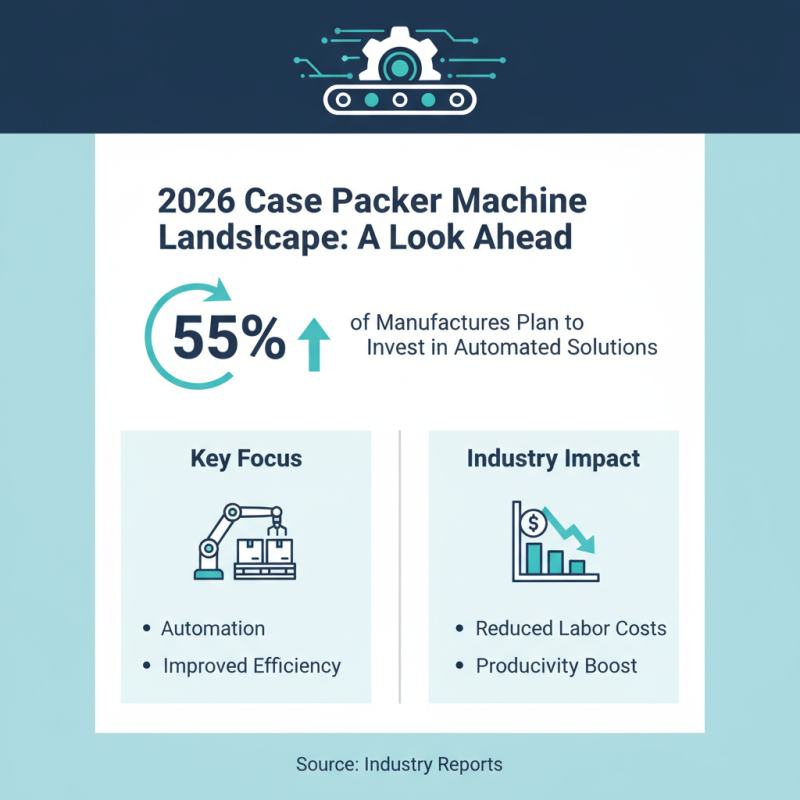
The 2026 case packer machine landscape will showcase exciting innovations. Industry reports suggest that automation will be a key focus. Approximately 55% of manufacturers plan to invest in automated packing solutions. This transition aims to improve efficiency and reduce labor costs.
Sustainability is another major trend in case packing for 2026. More companies are emphasizing eco-friendly materials. Analysis indicates that 30% of businesses want to switch to recyclable packaging. However, this shift poses challenges. Sourcing sustainable materials can be costly and may not always meet production needs.
Data from recent studies show that smart technology integration is on the rise. Many packers will incorporate IoT for better monitoring and control. This move could enhance production efficiency. Yet, reliance on technology can create vulnerabilities. Cybersecurity risks are a concern that needs to be addressed seriously. As the industry evolves, these aspects must be carefully evaluated.
Emerging Technologies in Case Packing Solutions for 2026
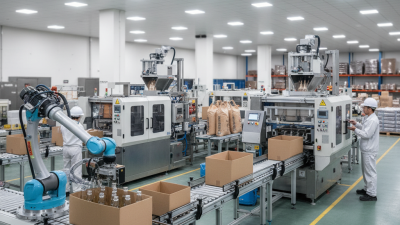
As we approach 2026, the landscape of case packing solutions is evolving rapidly. Emerging technologies are redefining efficiency and productivity. Robotics are becoming more commonplace in packing lines. These machines can adapt to different case sizes with ease. This flexibility helps manufacturers meet diverse market demands. However, integration remains a challenge. Many companies struggle to fit these new systems into existing workflows seamlessly.
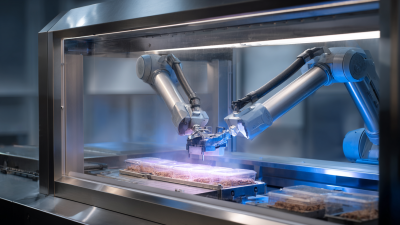
Artificial intelligence is driving innovations in case packing. Smart algorithms are optimizing packing patterns and reducing waste. Sensors monitor the process, ensuring quality control in real-time. This leads to fewer product returns and improved customer satisfaction. Yet, the cost of implementation can be a barrier for smaller businesses. They may find it difficult to justify the upfront investment for long-term gains.
Collaboration between different technologies is crucial. Vision systems paired with robotics can increase accuracy in packing. This synergy enhances overall packaging speed. However, not all organizations are ready for such advancements. Training and knowledge gaps pose significant hurdles. As we move forward, it’s essential to address these weaknesses for a smoother transition. Embracing such innovations requires a strategic approach and continuous adaptation.
Sustainability Trends Influencing Case Packer Machine Design
Sustainability is shaping the future of case packer machines. As companies focus on eco-friendly operations, design innovations emerge. These machines are integrating materials that are recyclable and biodegradable. The use of energy-efficient components is also on the rise. Manufacturers are exploring ways to reduce energy consumption during operations. This shift not only supports the environment but can also lower costs.
Another trend is modular design. Modular machines allow for easy upgrades and maintenance, reducing waste. This flexibility helps companies adapt to changing market demands. However, some designs still fall short of comprehensive sustainability goals. Issues like durability and performance need careful evaluation. The industry is striving for a balance between functionality and ecological responsibility.
Additionally, the supply chain plays a crucial role in sustainability. Choosing local suppliers can minimize transportation emissions. However, this approach may not always offer the best price. Companies are often caught between cost and ethics. Navigating these challenges will require thoughtful decisions in the coming years.
User-Centric Features in Next-Generation Case Packer Machines
In the evolving landscape of packaging technology, user-centric features are becoming a priority for the next generation of case packer machines. These innovations focus on enhancing the operator's experience and increasing efficiency. For instance, machines with intuitive touchscreens allow for quick adjustments and easy troubleshooting. Operators can change settings swiftly, reducing downtime and improving productivity.
Furthermore, ergonomic designs are essential. Machines that minimize strain on workers can lead to better performance and fewer injuries. Operators often prefer machines that allow them to stand comfortably. Some designs even incorporate adjustable heights, accommodating different user preferences. These adaptations may seem small but can significantly impact daily operations.
Flexibility is another critical aspect. Modern case packers need to handle various packaging formats. They should transition smoothly from one product to another. However, this flexibility can be challenging to implement. Some machines struggle to maintain speed while changing formats. Manufacturers must balance these innovations with reliability. Continuous improvement in these areas is necessary for future growth.
Market Predictions for Case Packer Machines in 2026 and Beyond
As we look to 2026, case packer machines are set to undergo significant transformations. The demand for automation continues to rise, leading to innovations that enhance efficiency. We can expect machines that offer faster packing speeds and better precision. Varied products will be accommodated more effectively, ensuring versatility in packaging.
Sustainability is a key trend. Many companies are exploring eco-friendly materials in their packaging processes. Case packers will likely integrate advanced technologies to reduce waste. However, the reliance on technology could make companies vulnerable to cyber threats. Maintenance and troubleshooting may become increasingly complex.
Consumers will demand transparency. Real-time data about packaging and production processes will be essential. Businesses must adapt to these expectations to remain competitive. Yet, staying agile in a fast-paced market can be daunting. Investments in technology need careful consideration. The balance between innovation and practicality will challenge many players in the industry.