
BLOG

What Are the 2026 Top Cookie Boxes for Global Buyers?

Global buyers are entering 2026 with higher expectations for Cookie Boxes. They want attractive presentation, dependable protection, and clearer material information. A box now carries more responsibility than decoration.

Philip Kotler, a leading authority on marketing and packaging, wrote, “Packaging involves designing and producing the container or wrapper for a product.” That principle remains practical for cookie brands. A strong box protects delicate edges during export. It also keeps butter-rich cookies fresh, presents the brand clearly, and supports efficient storage. Buyers are increasingly comparing rigid boxes, folding cartons, recyclable paperboard, and custom inserts. Details matter.

Small differences matter.

The best Cookie Boxes for 2026 will not be identical. Premium gift buyers may prefer magnetic closures, textured paper, and carefully fitted trays. Retail distributors may value stackability, barcode placement, and lower shipping volume. Sustainable buyers may question unnecessary laminates, mixed materials, and oversized structures. Their concerns are reasonable.

Yet this market is not perfectly predictable. Recyclable materials can still perform poorly when moisture resistance is weak. Minimal designs can look refined, but sometimes they reduce product protection. Even attractive packaging may fail if delivery testing is ignored. That is why this guide considers both appearance and practical performance. It examines materials, construction, customization, sustainability, and buyer value. The goal is not to declare one universal winner. It is to identify which Cookie Boxes fit different global purchasing needs in 2026.
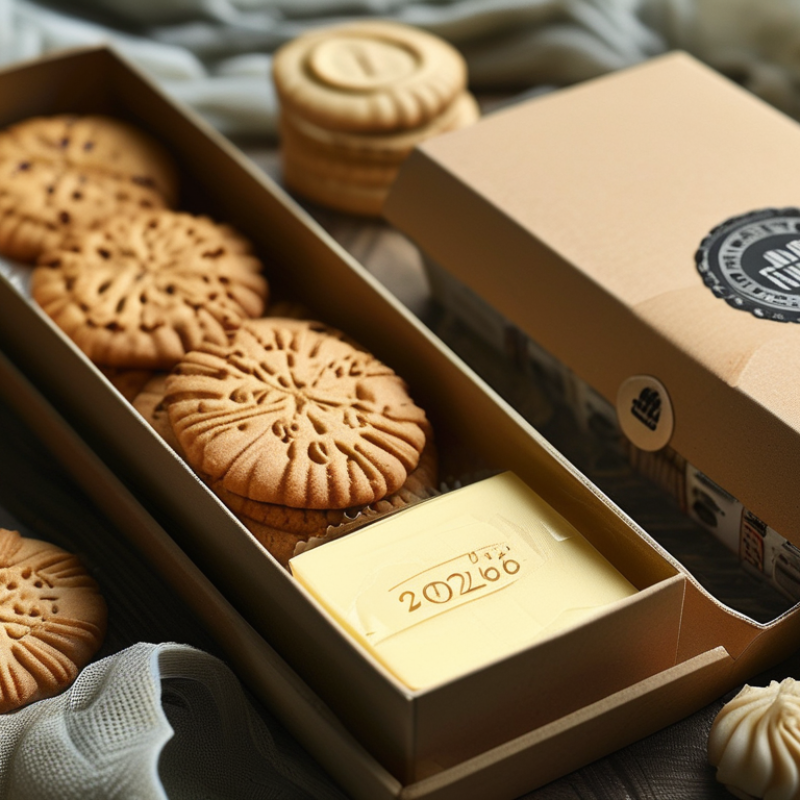
What Are the 2026 Top Cookie Boxes for Global Buyers?

What Defines a Top Cookie Box for Global Buyers in 2026?

For global buyers in 2026, a top cookie box is more than attractive packaging. It must protect texture, travel well, and communicate clear product information. Buyers often judge quality when a carton arrives with crushed corners or soft biscuits. A strong box uses food-safe materials, firm inserts, and a moisture barrier suited to the cookie type. Small details matter. A tight lid helps. So does a clean opening experience.

Practical design also defines value across markets. Boxes should support common shipping sizes, stable stacking, and efficient storage in retail backrooms. Lightweight construction can reduce freight impact, but thin board may collapse under humidity. This trade-off needs testing, not guesses.

I would check compression strength, drop performance, and seal quality with sample shipments. Real routes reveal problems that product photographs hide. Sometimes a recycled paper finish looks premium, yet its fibers mark easily during handling.

Trust depends on honest labeling and consistent evidence. A global-ready cookie box should show ingredients, allergens, net weight, batch details, storage guidance, and recycling information where required. Translated text must remain readable, not squeezed into tiny corners. Buyers also expect ethical sourcing claims to be specific and verifiable. Vague words create doubt. I have found that excellent packaging can still fail when opening instructions are unclear or the inner tray wastes space. A useful review should ask whether the box protects cookies, limits unnecessary material, and remains practical after purchase. These details feel less glamorous, but they often influence repeat orders.

Key Materials, Designs, and Protection Features of Cookie Boxes

What Are the 2026 Top Cookie Boxes for Global Buyers?

For 2026, strong cookie boxes will balance appearance, protection, and material efficiency. FAO data reports global paper and paperboard production exceeded 400 million tonnes in 2022. This scale supports paperboard packaging, but material choice still matters. Recycled paperboard works well for dry cookies when moisture exposure is controlled. Food-contact coatings should resist grease without creating unnecessary recycling barriers. Rigid boxes offer a premium feel, while folding cartons reduce shipping volume. The best design depends on the cookie, not only the shelf image.

Protection begins with structure. A tight-fitting lid limits movement during transport. Internal dividers separate delicate cookies and reduce edge damage. A paper cushion can replace loose plastic in many dry-product applications. Corrugated outer packaging adds impact resistance for international shipments. Smithers’ sustainable packaging research continues to emphasize lightweighting, recyclability, and clear material identification. Yet, lighter is not always better. A box that collapses creates waste, returns, and disappointed buyers. I have seen attractive cartons fail because the inner tray was too flexible.

Tips: Test boxes with real cookies, not empty samples. Check compression, grease resistance, stacking, and humidity exposure. Use drop tests before approving large production. Print disposal guidance clearly. Avoid complex finishes when they obstruct recycling. A small window improves product visibility, but it may weaken the panel. Sometimes, simpler packaging performs better.

What Are the 2026 Top Cookie Boxes for Global Buyers? - Key Materials, Designs, and Protection Features of Cookie Boxes

Recommended Box Configuration Primary Materials Typical Structure and Design Protection Features Best-Fit Cookie Applications Global Buyer Considerations
Rigid Folding Carton with Internal Tray Folding boxboard or solid bleached board; paper or molded-fiber tray Two-piece or hinged carton with individual cavities, dividers, or a lift-out tray Cavity separation reduces impact; snug lid limits movement; optional grease-resistant inner coating Assorted butter cookies, gift assortments, filled cookies, and premium seasonal sets Strong presentation value; confirm board thickness, coating recyclability, and tray disposal requirements
Windowed Paperboard Cookie Box Paperboard with cellulose film or recyclable clear paper-based window Auto-lock bottom or tuck-end box with a front or top viewing window Locking base improves stability; window protects contents from direct handling; optional inner pouch adds moisture control Retail cookies, decorated biscuits, bakery counter packs, and gift-ready products Useful for visual merchandising; verify whether the window must be separated before recycling
Tin-Style Box with Protective Inner Pack Metal container, commonly steel or aluminum, with paper liner, pouch, or molded insert Hinged or removable lid; shallow stackable profile; optional embossed or printed exterior High resistance to crushing and puncture; inner seal or pouch helps limit moisture and odor transfer Delicate cookies, long-distance shipments, collectible gift packs, and premium assortments Higher unit and freight weight; check corrosion protection, food-contact compliance, and metal recycling access
Molded-Fiber Box and Tray System Molded paper fiber, recycled pulp, or agricultural-fiber blend with a paperboard sleeve Formed cavities support each cookie; sleeve or hinged cover provides branding and closure Cushioning from shaped cavities; moderate compression protection; grease barrier may be required for oily products Sustainability-focused assortments, handmade cookies, and plastic-reduction packaging programs Check fiber source, moisture tolerance, odor neutrality, compostability claims, and local recycling rules
Paperboard Box with Heat-Sealed Inner Pouch Printed paperboard carton with laminated paper, polypropylene, or other approved barrier pouch Tuck-end carton surrounding one or more sealed inner packs; optional display window Strong moisture and aroma barrier; heat seal helps preserve freshness; carton protects against light and abrasion Crisp cookies, filled biscuits, export packs, and products requiring extended shelf-life control Specify oxygen and moisture barrier targets; assess pouch separability and applicable food-contact regulations
Flat-Pack Mailer Cookie Box Corrugated fiberboard, kraft paperboard, and paper cushioning components Self-locking mailer with reinforced corners, internal dividers, and a tear-strip opening Improved edge and corner protection; dividers reduce lateral movement; outer shipping carton may be added for fragile products Direct-to-consumer orders, subscription boxes, online gift shipments, and small-batch exports Efficient warehouse storage and shipping; validate dimensional weight, drop-test performance, and humidity resistance
Tube or Cylindrical Cookie Pack Spiral-wound paperboard or rigid paper tube with metal, paper, or polymer closure Tall cylindrical format with friction-fit or sealed lid; internal liner or sleeve supports stacking Good vertical compression strength; compact shape limits some movement; liner helps control grease and moisture Rolled wafers, uniform biscuits, stacked cookies, and limited-edition presentation packs Efficient shelf footprint; confirm closure security, tube diameter tolerance, and recycling compatibility of composite parts
Reusable Presentation Box with Removable Inserts Rigid paperboard, coated board, wood-based components, or textile-free paper inserts Magnetic, ribbon, drawer, or lift-off lid with customizable compartments Rigid walls resist compression; inserts prevent contact and preserve arrangement during handling Corporate gifting, holiday assortments, luxury bakery collections, and reusable storage packs Premium appearance and repeat-use potential; review material separation, closure durability, and total shipping weight

Selection note: Global buyers should match the box format to cookie fragility, fat content, moisture sensitivity, transport distance, retail presentation needs, recycling infrastructure, and applicable food-contact requirements.

Popular Cookie Box Types for Retail, Gifts, and Foodservice

What Are the 2026 Top Cookie Boxes for Global Buyers?

Popular cookie boxes now serve three distinct markets: retail, gifts, and foodservice. Retail shelves favor folding cartons with clear windows and strong color contrast. These boxes are lightweight, affordable, and easy to display. Rigid boxes suit premium gifts, especially when cookies are arranged in neat rows. Magnetic closures and paper inserts add a refined opening experience. Foodservice buyers often choose stackable trays or compartment boxes. These designs protect cookies during delivery and simplify portion control. A mistake I still see is choosing appearance before testing compression strength. Attractive packaging can fail inside a crowded shipping carton.

Tips: Confirm food-contact documentation, box dimensions, and moisture resistance before placing a large order. Test one filled sample first. Small details matter.

For global distribution, recyclable paperboard and water-based coatings are becoming practical choices. However, “recyclable” claims should match local collection systems and applicable packaging rules. Retail buyers may need barcode space, shelf stability, and easy opening. Gift buyers often value texture, ribbon details, and seasonal flexibility. Foodservice teams need fast packing, clean stacking, and reliable closure performance. I would also inspect sharp edges, loose inserts, and odor transfer. These issues seem minor, but they can affect customer trust. Some packaging decisions remain imperfect because one box rarely serves every market equally.

How Global Buyers Compare Suppliers, Pricing, and Customization

For global buyers, the top cookie boxes in 2026 will balance protection, presentation, and practical costs. Supplier comparison should begin with material quality, not attractive photographs. Ask for food-safe certificates, compression-test results, and recent production samples. A strong box should protect delicate cookies during humid sea transport and repeated handling. It should also fit the product closely, reducing empty space and shipping waste.

Pricing needs a clear breakdown. Compare board thickness, printing colors, inserts, tooling, packing labor, and delivery terms. A low unit price may hide expensive mold fees or high minimum order quantities. Request quotes for 1,000, 5,000, and 20,000 units. This reveals how pricing changes with volume.

Lead time matters too. A supplier promising everything quickly may be overlooking quality checks. That deserves questions.

Tips: Check the sample after opening it twice. Inspect crushed corners, loose inserts, ink rubbing, and lid alignment. Confirm whether customization includes embossing, window films, ribbons, or only printed artwork. Ask for a digital proof before production. Small details become expensive mistakes later.

Customization should support the cookie size and buyer’s sales channel. Retail shelves may need strong color contrast and barcode space. Gift packaging may require magnetic closures, partitions, or handwritten message cards. Sustainable materials can improve appeal, but claims need evidence. “Eco-friendly” is too vague without recycled content or disposal guidance. I would also test one imperfect sample, because real production rarely matches the showroom piece perfectly.

Sustainability, Compliance, and Import Factors for Cookie Box Buyers

What makes a 2026 cookie box “top” is not appearance alone. Buyers should assess material safety, recyclability, durability, and import readiness together. The OECD’s Global Plastics Outlook reports that packaging creates about 40% of global plastic waste. This supports paperboard designs, but paper is not automatically sustainable. Plastic windows, coatings, inks, and mixed laminates can reduce recyclability. Test it empty. Then test it filled.

Compliance begins with the destination market. The European Union’s Packaging and Packaging Waste Regulation (EU) 2025/40 generally applies from August 12, 2026. It increases pressure for recyclable packaging and clearer producer responsibilities. Cookie boxes should have documented fiber sources, food-contact declarations, ink specifications, and migration-test results. Buyers should request current laboratory reports, not attractive sustainability claims. A box may look responsibly made and still fail a coating or adhesive review.

Import planning also affects the best choice. The UNCTAD Review of Maritime Transport 2024 states that ships carry over 80% of world merchandise trade, so moisture protection and transport strength remain practical concerns. Flat-packed boxes can reduce shipping volume, but weak corners may create damaged goods and costly replacements. Confirm the HS classification, country-of-origin marking, carton dimensions, pallet limits, and destination labeling rules before production. Small details matter. One imperfect assumption about humidity, customs paperwork, or recycling access can undermine an otherwise strong packaging decision.

What Are the 2026 Top Cookie Boxes for Global Buyers?

Sustainability, compliance, and import relevance by packaging material

Paper and cardboard packaging recorded the highest recycling rate among the selected materials in the European Union in 2022, making fiber-based cookie boxes a strong option for buyers prioritizing recyclability and easier sustainability documentation. Importers should still verify food-contact suitability, packaging-waste obligations, labeling rules, and destination-country requirements before shipment.

Source: Eurostat, Packaging waste by material, 2022. Rates represent recycling as a percentage of packaging waste generated.

Article Source:

Go to Top