What is an Automatic Pallet Wrapper and How Does It Work?
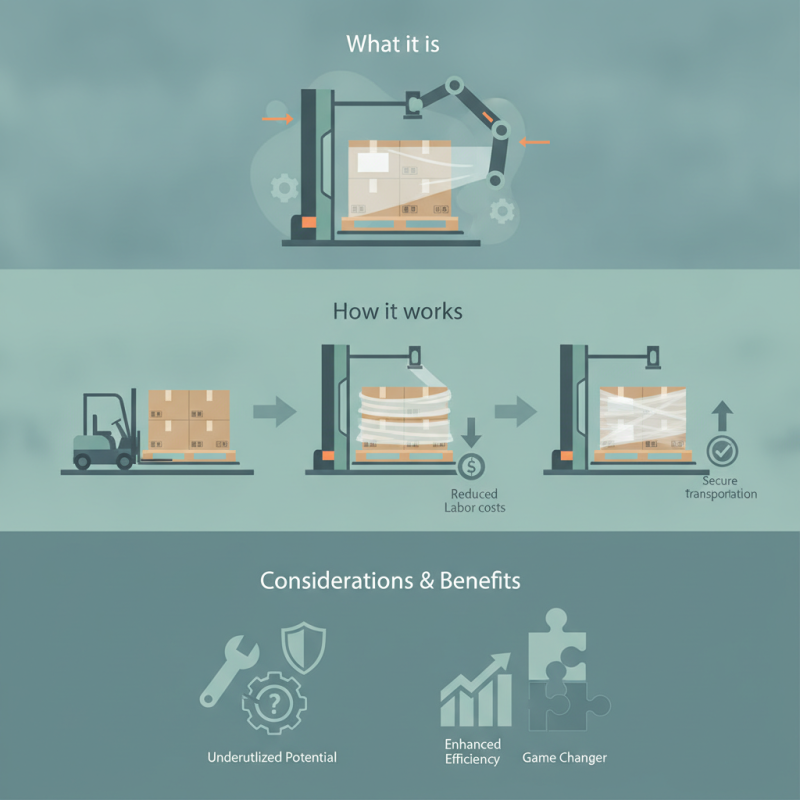
An automatic pallet wrapper is a vital tool in modern warehousing and logistics. This machine is designed to wrap products on pallets securely. It enhances efficiency and reduces labor costs significantly. Many businesses rely on these wrappers to ensure safe transportation of goods.
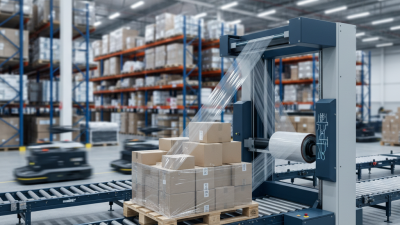
The operation of an automatic pallet wrapper is relatively straightforward. Once a pallet is loaded, the machine spins it while applying stretch film. This process ensures that products remain stable during transit. However, there are nuances to consider. Not all machines are created equal, and some may not meet specific needs. Choosing the right model involves understanding a company’s unique requirements.
While the benefits are clear, there are challenges too. Maintenance of the automatic pallet wrapper can be overlooked. If neglected, it may lead to inefficiencies. Businesses must assess whether they use the machine to its full potential. Regular checks are essential for optimal performance. Overall, the automatic pallet wrapper can be a game-changer, but careful consideration is necessary.
What is an Automatic Pallet Wrapper?
An automatic pallet wrapper is a machine designed to streamline the packaging process. It wraps plastic film around goods on a pallet, securing them for transport. This equipment is vital in industries such as logistics and manufacturing. According to a report by Freedonia Group, the demand for pallet wrapping systems is expected to grow by 3.5% per year, indicating a significant shift towards automation in packaging.
These machines operate using advanced technology. They can automatically adjust wrapping tension and film placement to ensure that products are tightly secured. A study from Packaging World notes that using automatic pallet wrappers can reduce labor costs by up to 30%. This efficiency often leads to improved warehouse throughput. Yet, one must consider the initial investment costs. Not every business can afford such equipment upfront, reflecting a common hesitation in many sectors.
Moreover, while automatic wrappers enhance efficiency, they require proper maintenance. Neglecting routine checks can lead to machine malfunctions or inconsistent wrapping. According to industry standards, regular inspections can extend the equipment's life and functionality. This highlights the need for a balance between initial investment and ongoing upkeep costs. An informed approach to both can lead to better operational sustainability.
Key Components of an Automatic Pallet Wrapper
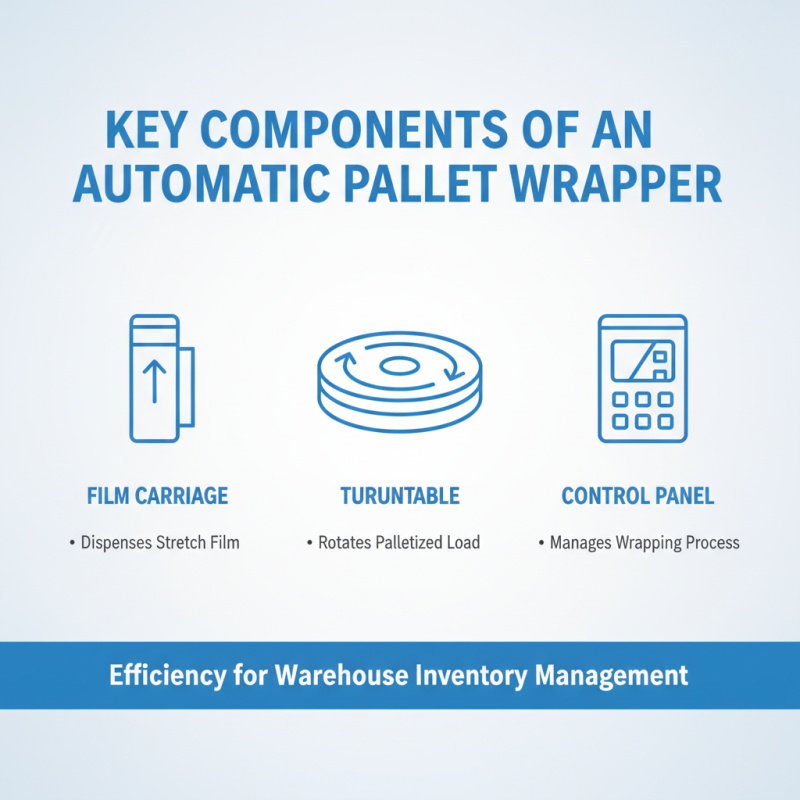
An automatic pallet wrapper is a machine designed to apply stretch film around palletized loads. Its efficiency is vital for inventory management in warehouses. The key components of an automatic pallet wrapper include the film carriage, turntable, and control panel. Each part plays a significant role in the wrapping process.
The film carriage holds the stretch film and dispenses it around the pallet. It typically moves up and down, allowing for an even application. The turntable rotates the pallet, enabling the film to wrap around it smoothly. This rotation ensures that the film adheres properly to the load. The control panel allows operators to set wrapping specifications, including tension and rotation speed.
However, operators must monitor these machines closely. Occasionally, film may not adhere correctly, leading to under-wrapping or over-wrapping. Adjusting the settings can mitigate these issues, but it requires experience and attention. Understanding these components improves the efficiency of the wrapping process and minimizes potential errors.
How the Automatic Pallet Wrapping Process Works
Automatic pallet wrappers have revolutionized the packaging industry. They provide efficiency and consistency in wrapping pallets, which is crucial for storage and transportation. The process minimizes product damage during transit, ensuring goods arrive intact. A study from the Packaging Machinery Manufacturers Institute (PMMI) revealed that 85% of businesses report decreased product loss after using automated wrapping solutions.
The automatic pallet wrapping process begins with the palletized load positioned at the machine. Sensors detect the load size and adjust the wrapping process accordingly. A stretch film is then applied around the pallet, clinging tightly to the products. This method enhances stability and prevents shifting during movement. The machine also cuts and seals the film, ensuring a secure wrap. According to industry reports, automation in pallet wrapping can reduce labor costs by up to 30%.
While the technology offers numerous benefits, there are challenges as well. Not all pallets are uniform, which can affect wrap quality. Additionally, maintenance of the wrapping machines is essential to avoid breakdowns. Regular assessments can enhance operational efficiency. Understanding these complexities is vital for businesses looking to invest in automated solutions.
What is an Automatic Pallet Wrapper and How Does It Work? - How the Automatic Pallet Wrapping Process Works
| Feature |
Description |
Benefits |
| Automatic Wrapping |
Uses machinery to wrap pallets automatically with stretch film. |
Increases efficiency and reduces labor costs. |
| Rotation Mechanism |
Pallet is rotated while the wrapping film is applied. |
Ensures consistent wrapping with uniform tension. |
| Film Tension Control |
Adjustable settings for film tension to meet specific needs. |
Optimal load stability and protection during transport. |
| Speed Settings |
Different speed options for wrapping depending on operation volume. |
Facilitates adaptability to fluctuating production rates. |
| User-Friendly Interface |
Simple control panel for easy operation. |
Reduces training time for new operators. |
| Safety Features |
Equipped with emergency stop buttons and safety guards. |
Ensures operator safety during operation. |
| Adaptability |
Can accommodate various pallet sizes and shapes. |
Increases versatility in packaging operations. |
Benefits of Using an Automatic Pallet Wrapper
Automatic pallet wrappers have become essential in modern warehousing and distribution. By automating the wrapping process, businesses can significantly reduce labor costs. These machines apply stretch film uniformly around pallets, ensuring products are securely wrapped. This consistency helps prevent damage during transportation, which is crucial for maintaining quality and customer satisfaction.
The benefits extend to increased efficiency. An automatic pallet wrapper can wrap a high volume of pallets in a short time. This speed allows for quicker order fulfillment and enhances supply chain performance. Additionally, the use of stretch film minimizes the amount of material used, promoting sustainability. Companies often find that this leads to lower packaging costs over time.
Despite these advantages, some may overlook maintenance needs. Regular checks are essential to keep the machinery functioning correctly. Neglecting this aspect can lead to downtime, affecting productivity. Additionally, operators must be trained to troubleshoot minor issues. Finding a balance between automation and manual oversight could enhance the overall operation. The effectiveness of an automatic pallet wrapper largely depends on its integration with existing systems.
Common Applications and Industries for Automatic Pallet Wrappers
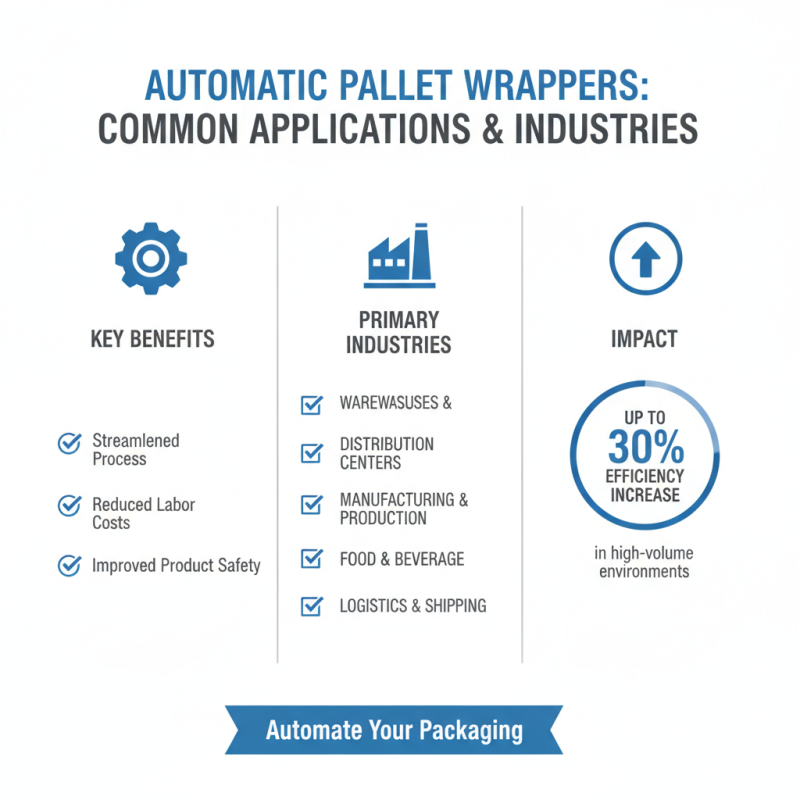
Automatic pallet wrappers are increasingly popular in various industries. These machines streamline the wrapping process, reducing labor costs and improving product safety. According to industry reports, automated wrapping systems can increase efficiency by up to 30%. This is particularly valuable in high-volume environments like warehouses and distribution centers.
In the food and beverage industry, automatic pallet wrappers play a crucial role. Food products need secure packaging to prevent contamination. A well-wrapped pallet reduces the risk of damage during transport. In the cosmetics and pharmaceuticals sectors, proper packaging guarantees product integrity. Reports suggest that around 70% of companies in these industries rely on automated wrapping to maintain quality standards.
Retail and e-commerce are also key areas for automatic pallet wrappers. The rise in online shopping has led to increased palletizing needs. Businesses strive for quicker turnaround times. Automated wrappers can wrap pallets in under a minute, optimizing supply chain operations. However, some companies may hesitate, fearing high initial costs. They often overlook potential long-term savings in labor and reduced product damage. This uncertainty can slow down the adoption of these technologies in their operations.