Top Benefits of Using Printed Aluminum Foil in Packaging?
Printed Aluminum Foil has become a popular choice in the packaging industry. Its unique properties offer both functional and aesthetic benefits. This material not only enhances product preservation but also elevates brand visibility. Many businesses are discovering the advantages that come with using printed designs.
One significant benefit is its excellent barrier properties. Printed Aluminum Foil protects products from moisture, light, and oxygen. This ensures that goods remain fresh for longer periods. Furthermore, this type of packaging can be customized, allowing brands to create eye-catching visuals. Bright colors and bold graphics can capture consumer attention quickly.
However, there are challenges too. Some brands struggle to find the right printing techniques for aluminum surfaces. Additionally, sustainability concerns are increasingly important. Exploring eco-friendly options while using Printed Aluminum Foil is essential. Companies must balance aesthetics with environmental impact to remain relevant. Understanding both the benefits and drawbacks will lead to better decisions in packaging strategies.
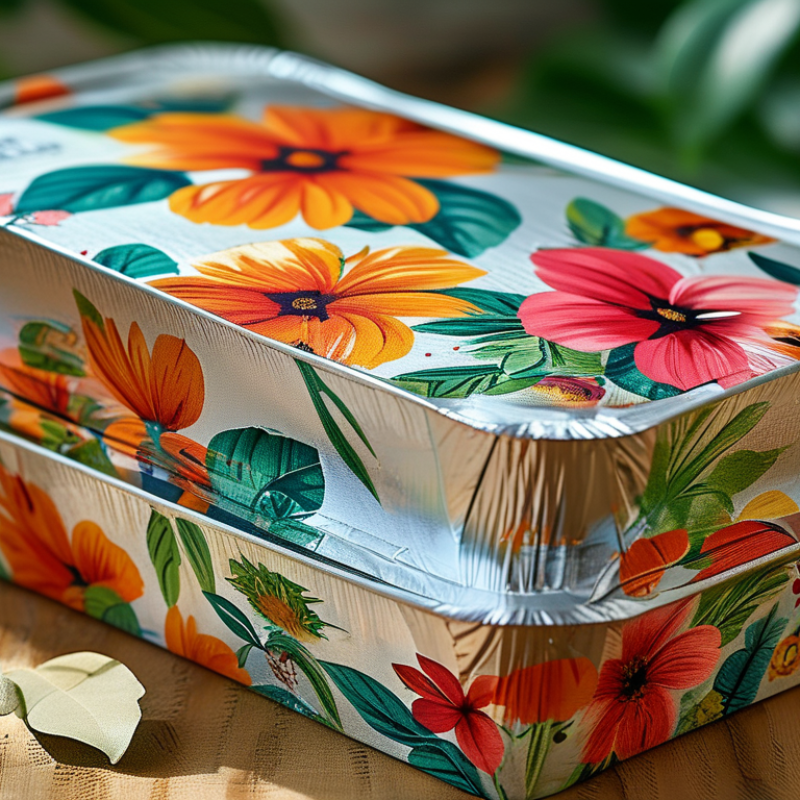
Understanding Printed Aluminum Foil: An Overview of Its Properties
Printed aluminum foil has become a popular choice in packaging due to its unique properties. Its lightweight nature, combined with excellent barrier qualities, helps protect products from moisture, light, and air. According to industry reports, aluminum foil can reduce oxygen transmission by up to 99%. This property is vital for preserving freshness in food products, which accounts for a significant portion of the global foil market.
Moreover, printed aluminum foil allows for high-quality printing. This enhances brand visibility and consumer appeal. A recent study highlights that packaging design influences nearly 70% of consumer buying decisions. The ability to print detailed graphics on foil enables brands to convey messages effectively. The visual aspect is crucial in competitive markets, where products vie for attention on shelves.
However, challenges remain in the recycling processes of aluminum foil. While it is technically recyclable, many facilities do not accept it due to contamination issues. Consumers and brands must work together to minimize waste. Effective communication about proper disposal methods is essential for achieving sustainability goals in the packaging industry. Balancing these considerations is vital for future developments in printed aluminum foil use.
Key Advantages of Printed Aluminum Foil in Food Packaging
Printed aluminum foil offers several significant advantages in food packaging. One key benefit is its superior barrier properties. It effectively protects food from moisture, light, and oxygen, which can compromise quality. This ensures that products remain fresh for longer periods. In addition, printed aluminum foil can be customized with vibrant designs. This not only enhances shelf appeal but also communicates branding effectively. Eye-catching packaging encourages consumer interest and can drive sales.
Another noteworthy aspect is the recyclability of aluminum foil. Unlike some plastic options, aluminum can be recycled efficiently, reducing environmental impact. Using printed aluminum foil can align a brand with sustainability efforts. However, the recycling process can vary by region, leading to some confusion. It’s vital for brands to educate consumers on proper disposal to maximize sustainability efforts.
While printed aluminum foil can enhance packaging, some manufacturers may find it challenging to balance aesthetics and functionality. The printing process should not compromise the foil’s barrier properties. Ensuring quality requires sourcing dependable materials and experienced printing services. Brands must continuously evaluate their packaging choices to meet consumer expectations and environmental standards.
Enhancing Brand Recognition with Custom Printed Aluminum Foil
Custom printed aluminum foil can significantly enhance brand recognition. Unique designs and colors can catch consumers' attention on store shelves. When the packaging reflects a brand's identity, it creates a strong visual connection. This connection is crucial in a competitive market. The foil can showcase vivid graphics and logos, reinforcing brand messaging.
Consider the importance of quality in printing. High-resolution images convey professionalism and reliability. Brands should invest in quality printing techniques to ensure that their designs stand out. Thoughtful design choices can also evoke emotions. Bright colors may indicate freshness, while metallic finishes often suggest luxury. Brands must reflect their values in their packaging choices.
Creativity in packaging can evoke curiosity. Consumers may find themselves drawn to products that appear innovative. Unique shapes or sizes can differentiate a product on the shelf. Never underestimate the power of packaging. It often influences purchasing decisions more than one might think. Regularly assess packaging effectiveness for continuous improvement.
Top Benefits of Using Printed Aluminum Foil in Packaging
This bar chart illustrates the top benefits of using printed aluminum foil in packaging, emphasizing brand recognition, product protection, sustainability, cost-effectiveness, and customizability. Each benefit highlights the potential advantages that aluminum foil can offer to brands seeking to enhance their packaging solutions.
Sustainability Aspects of Using Printed Aluminum Foil in Packaging
Printed aluminum foil is gaining attention for its sustainability benefits in packaging. It is lightweight and recyclable, making it a preferred choice for eco-conscious consumers. Traditional packaging materials, like plastic, contribute significantly to waste. In contrast, aluminum foil can be recycled multiple times without losing quality, reducing the demand for new raw materials.
Using printed aluminum foil also helps reduce food waste. Its excellent barrier properties keep food fresh longer. This not only preserves the product but also minimizes emissions from food production. However, not all aluminum products are created equal. Some processes can still harm the environment.
The recycling process for aluminum is energy-intensive. It raises questions about the overall sustainability of printed foil. Consumers should consider the entire lifecycle of packaging materials. Awareness and mindful choices are key to truly sustainable practices.
Comparative Analysis: Printed Aluminum Foil vs. Other Packaging Materials
When exploring packaging solutions, printed aluminum foil emerges as a strong contender. Unlike plastic materials, aluminum foil offers superior barrier properties. It prevents light, moisture, and air from compromising the product. This leads to longer shelf life, especially for food items. Additionally, its lightweight nature minimizes transportation costs.
Comparing printed aluminum foil to paper packaging, the former provides more durability. Paper can tear easily, whereas aluminum maintains its structure. The printing on aluminum also has vibrant colors, which attract consumers more effectively than dull paper designs. Yet, the recycling process for aluminum can be a barrier. It's essential to think about how consumers will dispose of the packaging to promote sustainability.
Consider these points when choosing packaging materials. Evaluate the environmental impact of each option. Sometimes, a combination of materials might yield better results. Remember, the packaging reflects the brand's values and commitment to quality. The goal is to create a balance between aesthetics and functionality. Reflecting on consumer needs can lead to more informed choices in packaging design.