Top 10 Benefits of Using a Stretch Wrapper for Packaging Efficiency?
In today's fast-paced logistics world, efficiency is key. A stretch wrapper can significantly boost packaging operations. According to industry expert John Smith, "Using a stretch wrapper transforms how goods are secured, ensuring stability and reducing damage." This statement underscores the importance of selecting the right packaging solutions.
Implementing a stretch wrapper offers various advantages. For instance, it enhances load stability. Containers are wrapped tightly, minimizing movement during transportation. This not only protects products but also reduces waste. Moreover, stretch wrappers can increase productivity by speeding up the packing process.
However, businesses sometimes overlook key maintenance needs. Regular checks on the stretch wrapper are essential. Skipping this can lead to mechanical issues and increased downtime. It’s a reminder that efficiency requires ongoing effort and attention. You have to strike a balance between speed and reliability. Emphasizing the importance of a stretch wrapper might help refine packaging strategies.

Advantages of Enhanced Load Stability with Stretch Wrappers
Enhanced load stability is a crucial factor in shipping efficiency. Stretch wrappers provide significant advantages in securing loads during transport. This stability reduces the risk of damage to products, resulting in lower costs. According to a 2021 report by the Material Handling Industry of America, proper load stabilization can decrease damage rates by up to 50%. That's a substantial reduction that companies can’t ignore.
Employing stretch wrappers also improves inventory management. Wrapped loads take up less space, making them easier to stack and store. This can result in a 20% increase in warehouse capacity. However, not all wrappers create the same stability. Some users report that using inadequate film leads to issues like slippage or tearing. Hence, choosing the right materials is essential for maximum effectiveness.
Moreover, stretch wrappers contribute to faster loading and unloading times. They create uniform loads that can be handled easily. A study showed that automated wrapping systems could cut loading times by 30%. Yet, inconsistencies in operator training may diminish these benefits. Companies must invest in training to ensure that staff understand the best practices for using these machines effectively.
Improved Packaging Speed and Efficiency Through Automation
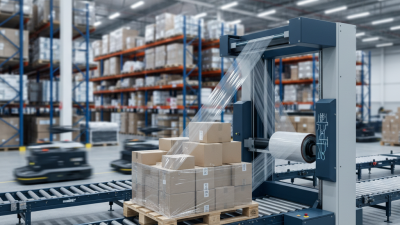
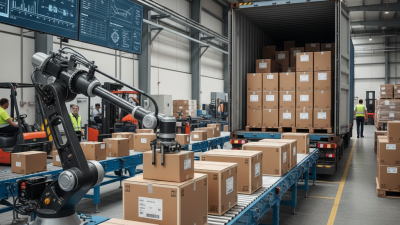
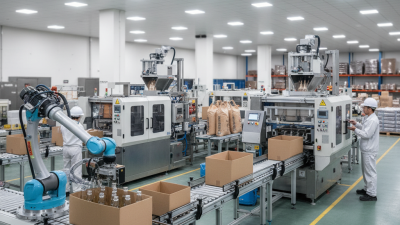
Efficiency in packaging significantly improves with the use of a stretch wrapper. These machines automate the wrapping process, reducing manual labor. Automated systems can operate at high speeds, wrapping pallets in mere seconds. This allows companies to increase their output without sacrificing quality. Workers can focus on other essential tasks, boosting overall productivity.
However, the transition to automated systems may come with challenges. Staff may need training to adjust to new equipment. Miscommunication may arise during the first few weeks. As teams learn to integrate these machines, there can be initial hiccups. It's crucial to reflect on these moments to enhance the process. Continuous evaluations help identify areas for improvement, ensuring that automation becomes seamless.
Automating packaging also leads to consistent wrapping quality. Every pallet receives the same secure wrap, minimizing the risk of damage during transit. This reliability strengthens customer trust. Yet, it's important to monitor the machine regularly. Periodic checks can prevent unexpected breakdowns. They help maintain the efficiency that automation promises. Balancing speed and quality is vital for long-term success.
Reduction of Packaging Material Costs with Stretch Film Usage
Stretch wrapping has become a pivotal process in modern packaging. The use of stretch film significantly reduces packaging material costs. According to industry reports, businesses can save up to 30% on materials by utilizing stretch wrapping instead of traditional methods. This reduction comes from the ability of stretch film to conform to the product shape, minimizing excess material.
Achieving efficient packaging is essential. Stretch wrapping can also reduce the weight of the overall package, leading to lower shipping costs. A well-wrapped load has a lower risk of damage during transit. However, it is critical to use the correct tension. Too much tension can lead to film breakage, while too little can cause slippage.
Tips: Always test your wrapping techniques on different products. This helps identify the ideal film tension.
Efficiency is not merely about saving costs. It’s also about optimizing your workflow. Some companies report slower speeds when using stretch wrappers incorrectly. Adjust your wrapping process, as even small adjustments can yield significant improvements. Keep an eye on shrinkage rates for optimal use of materials. Stretch film should adapt to your objectives, not constrain them.
Top 10 Benefits of Using a Stretch Wrapper for Packaging Efficiency
| Benefit |
Description |
Estimated Cost Reduction (%) |
| Material Savings |
Reduces the amount of packaging material used by optimizing stretch wrapper settings. |
20% |
| Labor Efficiency |
Automates the wrapping process, reducing manual labor costs. |
30% |
| Product Damage Reduction |
Improves protection against damage during transportation and storage. |
15% |
| Faster Packaging Process |
Increases throughput by speeding up the wrapping process compared to manual methods. |
25% |
| Improved Load Stability |
Enhances load stability, reducing shifting and loss of products in transit. |
10% |
| Customizable Wrapping |
Allows customization of wrap patterns and tension for different products. |
N/A |
| Reduced Waste |
Minimizes packaging waste through efficient use of materials. |
12% |
| Enhanced Safety |
Reduces the risk of injury associated with manual wrapping processes. |
N/A |
| Versatile Usage |
Applicable for a wide range of products and pallet sizes. |
N/A |
| Consistent Quality |
Ensures uniformity in wrap tension and coverage across all loads. |
N/A |
Protection Against Environmental Elements During Transportation
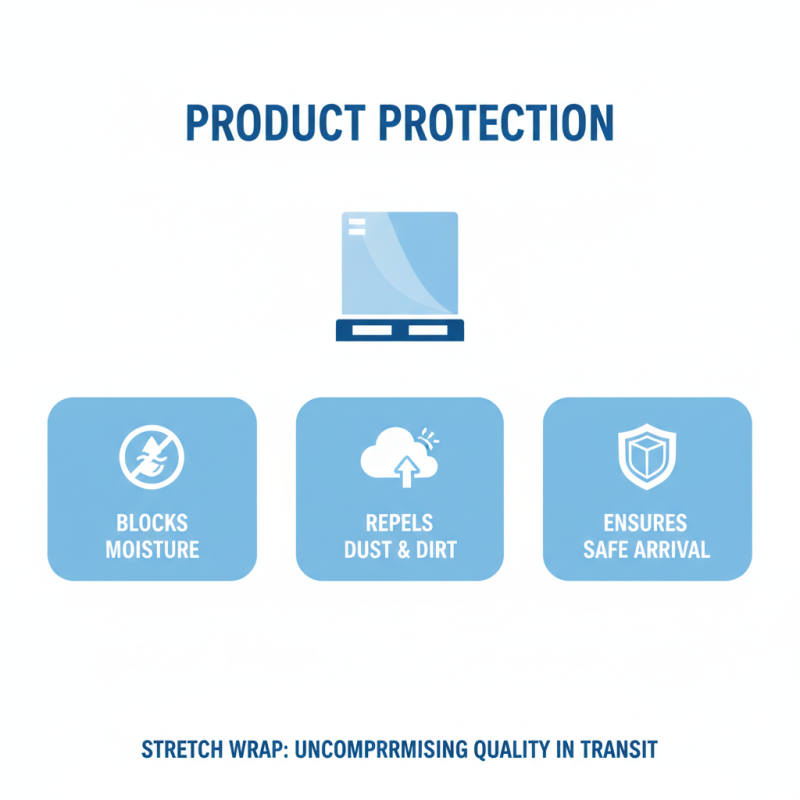
Using a stretch wrapper for packaging can significantly protect products from environmental elements during transportation. Proper wrapping keeps moisture, dust, and dirt away from goods. This is vital for maintaining product quality. When exposed to harsh conditions, products can degrade. A well-wrapped item has a better chance of arriving in perfect condition.
It's crucial to consider the materials used in stretch wrapping. For instance, the thickness of the film can affect moisture resistance. A thicker film may provide better protection but could also be more expensive. Evaluate your products' needs and adjust accordingly. Sometimes, lighter materials may suffice for less sensitive items. This creates a balance between cost and protection.
Tips: Ensure the stretch wrapper is set to the right tension. Too tight may crush items. Too loose can expose them to elements. Also, check the seals after wrapping. A few missed spots can compromise the entire load. Regular audits of the wrapping process can help identify areas for improvement, making packaging more efficient.
Versatility for Various Product Shapes and Sizes in Packaging
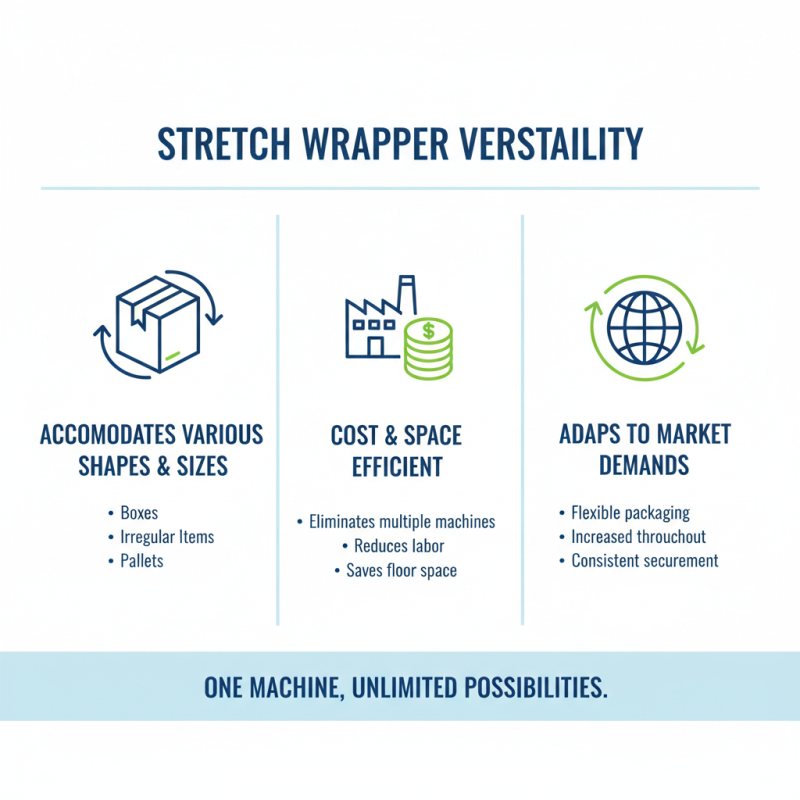
Stretch wrappers offer impressive versatility for packaging various product shapes and sizes. This adaptability is essential in a dynamic market. From boxes to irregularly shaped items, a stretch wrapper accommodates them all. This eliminates the need for multiple machines. Companies can save on both space and costs.
Different products demand unique packaging solutions. A stretch wrapper can adjust easily, ensuring tight wrapping around each item. This precision minimizes damage during transport. However, not every product is ideal for stretch wrapping. Some require additional support or different techniques. It’s important to evaluate each item carefully.
Additionally, using a stretch wrapper can simplify operations. Employees spend less time adjusting manual wrapping processes. Yet, training is still essential to maximize efficiency. Improper usage can lead to waste and increased costs. Continuous reflection and assessment of the wrapping process can enhance overall effectiveness.