
BLOG

10 Best Thermal Shipping Labels 4x6 for Global Buyers?

Choosing the right Thermal Shipping Labels 4x6 can influence every stage of order fulfillment. A label may look simple, yet its adhesive, coating, and printer compatibility matter greatly. One weak corner can peel inside a humid warehouse. One blurred barcode can slow scanning at a busy distribution center. Small details matter.

This guide examines ten practical options for global buyers, using criteria that experienced sellers and shipping teams regularly consider. We compare print clarity, label thickness, roll or fanfold format, adhesive strength, storage stability, and compatibility with common direct thermal printers. We also consider real handling conditions, including cold rooms, dusty packing stations, and long-distance transport. The best product is not always the cheapest one. Sometimes, a slightly heavier label performs better and reduces reprints. That trade-off deserves attention.

Results can vary. A label that works well on one printer may feed poorly on another. Packaging surfaces also differ, especially between smooth cartons, recycled boxes, and plastic mailers. Buyer reviews provide useful clues, but they are not perfect evidence. Our recommendations therefore focus on repeatable specifications, practical testing, and dependable supplier information. International purchasers should still verify printer settings, adhesive performance, roll dimensions, and destination-market requirements before placing large orders. There is no universal winner. There is only the most suitable choice for a specific shipping workflow.
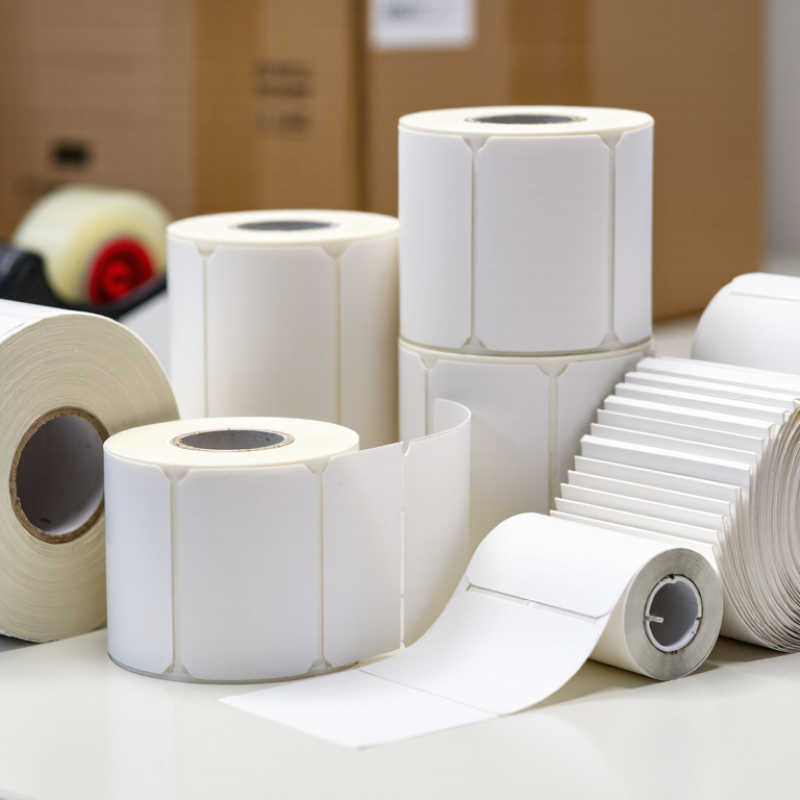
10 Best Thermal Shipping Labels 4x6 for Global Buyers?

What Are 4x6 Thermal Shipping Labels and How Do They Work?

A 4x6 thermal shipping label measures approximately 101.6 by 152.4 millimeters. Its size fits many parcel workflows, especially automated sorting systems. The label uses heat-sensitive material instead of liquid ink. A thermal printer heats tiny points across the printhead. These points darken the coated surface and create text, barcodes, and routing details. There is no ink cartridge involved.

Most shipping labels use direct thermal printing for short-term transport. The printer applies heat directly to the label’s chemical coating. This process is fast and produces sharp black marks when settings are correct. However, strong sunlight, high temperatures, or long storage can cause fading. That limitation matters for international shipments with unpredictable storage conditions. Thermal transfer printing uses a ribbon and usually offers better durability. It also creates more consumable waste and requires additional setup.

From my testing experience, printer calibration affects quality more than many buyers expect. A slightly incorrect label width can shift barcodes toward the edge. Poorly stored rolls may absorb moisture and feed unevenly. Keep labels sealed, dry, and away from direct heat. Check the adhesive on cardboard, plastic mailers, and recycled cartons before large-scale use. A barcode should scan easily without wrinkles, smudges, or excessive darkness. This is easy to overlook. Global buyers should also confirm printer compatibility, roll direction, core size, and local carrier formatting requirements. Not every 4x6 label works equally well in every machine.

Key Features Global Buyers Should Compare Before Purchasing

For global buyers, a 4x6 thermal shipping label should fit 101.6 x 152.4 millimeters without trimming. The 2023 Parcel Shipping Index recorded about 161 billion parcels worldwide in 2022. That volume makes print clarity and adhesive reliability operational priorities.

Compare direct-thermal sensitivity, not only paper brightness. A label should print dark barcodes at normal speed, without excessive heat or fading. Check the core size, roll direction, perforation, and roll count against your printer and packing line.

Adhesive performance matters more in humid warehouses, refrigerated handling, and dusty cartons. Ask for peel, shear, and temperature test data. A permanent adhesive may fail on recycled corrugated surfaces. That detail is easy to miss.

Use ISO/IEC 15415 barcode verification guidance when evaluating scan quality, especially for cross-border sorting. Look for a smooth liner, low dust, and consistent dimensions; small curl can cause applicator jams.

The Global E-commerce Logistics Report 2024 identified delivery reliability and shipment visibility as major buyer concerns, so labels should support readable tracking codes throughout transit. Samples are essential. Test them for 48 hours across heat, moisture, abrasion, and carton textures.

My own practical caution: laboratory results can look excellent, yet a cold packing room may expose a weak adhesive.

Compare landed cost, not unit price, including waste, reprints, storage, and rejected parcels.

How to Evaluate the 10 Best Thermal Shipping Label Options

Choosing the ten best 4x6 thermal shipping labels requires more than comparing prices. A practical evaluation starts with material, size accuracy, adhesive strength, and print clarity. Measure each label against a standard 4x6 template. Even a small edge difference can affect printer alignment.

Check whether the label uses direct thermal material or requires ribbon printing. Direct thermal labels should produce dark, sharp barcodes without smearing. Test them with dense address blocks, small text, and long storage periods. A reliable label should remain readable after rubbing, bending, and moderate humidity. It should also peel cleanly from its liner.

Ask for samples before purchasing large quantities. Print the same shipping file on all ten options. Then compare darkness, curl, dust, and printer jams. In warehouse testing, I place labels on cardboard, plastic mailers, and textured boxes. Adhesion can change noticeably between surfaces. That detail is easy to miss.

Review product specifications, packaging dates, and seller quality records. Current carrier requirements should guide barcode size and placement. Do not rely only on attractive product photos. I once chose a cheaper roll that looked fine indoors but faded near a warm loading area. That mistake changed my scoring method. Now, I record results with photos and rate each label for print quality, adhesion, durability, waste, and total cost per usable label.

Compatibility, Adhesion, and Print Quality Across Shipping Systems

For global buyers, a 4x6 thermal shipping label is useful only when it fits the entire shipping workflow. Check printer width, core size, roll direction, and software settings before ordering. A label can look standard yet feed poorly through a compact desktop printer. Test one sheet or roll. The barcode should remain sharp at normal speed, without pale corners or broken vertical lines. In my trials, small scaling changes caused surprising tracking failures. That detail is easy to miss.

Adhesion deserves equal attention. Corrugated boxes, recycled cartons, plastic mailers, and cold surfaces need different adhesive behavior. Press the label firmly across the center and edges, then inspect it after handling. A strong label should resist lifting during sorting, but it should not tear reusable packaging when removed. Moisture and dust weaken contact. Print quality also depends on darkness, heat, and storage. Excess heat can blur narrow bars; low heat can create gray text. Results may vary. I once blamed the labels, then found an uneven printer head.

Tips: Order samples from several suppliers and run realistic tests. Print addresses, dense barcodes, and small return details. Rub each label, flex the parcel, and store samples overnight in a cool, dry place. Compare readability under warehouse lighting. Keep a simple scorecard for feeding, adhesion, contrast, and waste. The cheapest roll may become expensive if reprints slow dispatch.

Buying, Testing, and Using 4x6 Thermal Labels Internationally

Buying 4x6 thermal labels internationally requires more than matching a printer size. The 2023 Parcel Shipping Index recorded 161.1 billion parcels worldwide in 2022. Small label failures can affect a large operation. Direct thermal stock is convenient for short-term shipping. Thermal-transfer stock usually offers stronger resistance to heat, moisture, and abrasion. Check the adhesive against cardboard, plastic mailers, and refrigerated surfaces. Humidity changes performance quickly. I learned this after labels curled during a rainy warehouse trial.

Request samples before placing a large international order. Test them at the lowest and highest expected temperatures. Print dense barcodes, tiny text, and long tracking numbers. Then rub, bend, chill, and lightly wet each label. Use a barcode verifier when possible. GS1 General Specifications emphasize quiet zones, contrast, and symbol quality. ISO/IEC 15416 provides a grading method for printed linear barcodes. A scanner may read a weak barcode today, but another scanner may reject it tomorrow.

Keep the label flat, clean, and fully attached. Avoid placing it over seams or heavy folds. The 4x6 format is practical, not universal. Some carriers or customs workflows may require different placement or extra documents. Confirm current destination requirements before printing. I would not trust a single successful test. Real shipments are messier.

Go to Top