Top 5 Best Automated Food Packaging Systems for Efficient Production?
In the fast-paced world of food production, efficiency is key. Automated food packaging systems play a crucial role in enhancing operational speed and reducing labor costs. According to Alan Smith, an expert in food packaging technology, "The right automated system can transform a struggling production line into a model of efficiency."
These systems streamline the entire packaging process. They minimize human error and ensure consistency in quality. One major challenge, however, is selecting the best system that fits a company's unique needs. Often, manufacturers overlook specific features that could significantly impact their productivity.
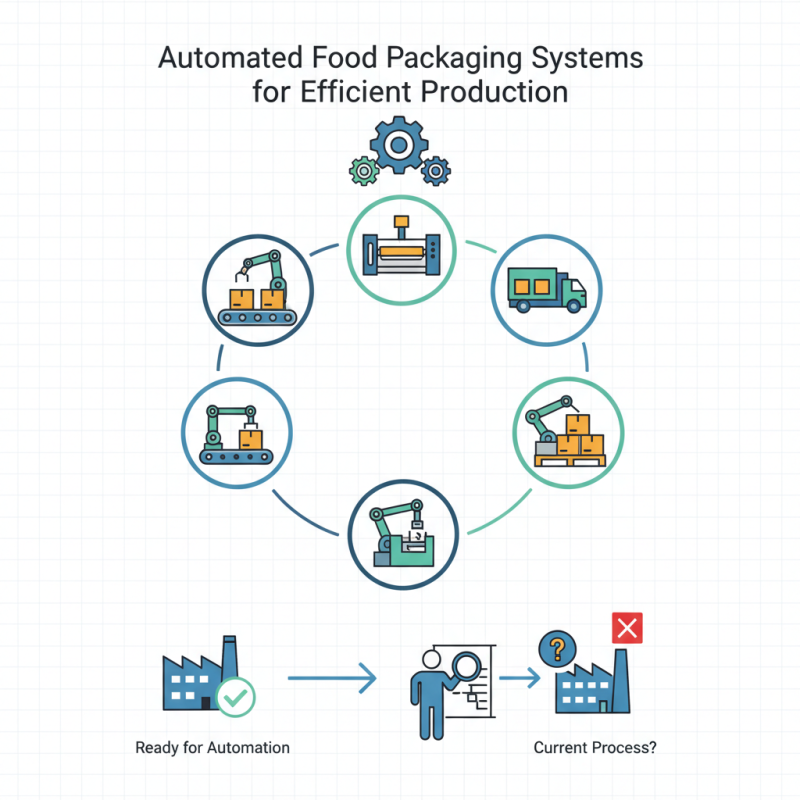
Investing in automated food packaging systems can lead to long-term benefits. Yet, companies must reflect on their current processes. Are they ready for automation? Each choice made now can define future success or failure in a competitive market.
Key Features to Consider in Automated Food Packaging Systems
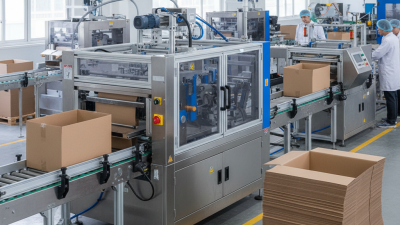
When considering automated food packaging systems, several key features stand out. Speed is crucial. Faster machines enhance production capacity. Look for systems that can handle various packaging formats. Flexibility allows you to adapt quickly to different product sizes and shapes. This is important for diverse product lines.
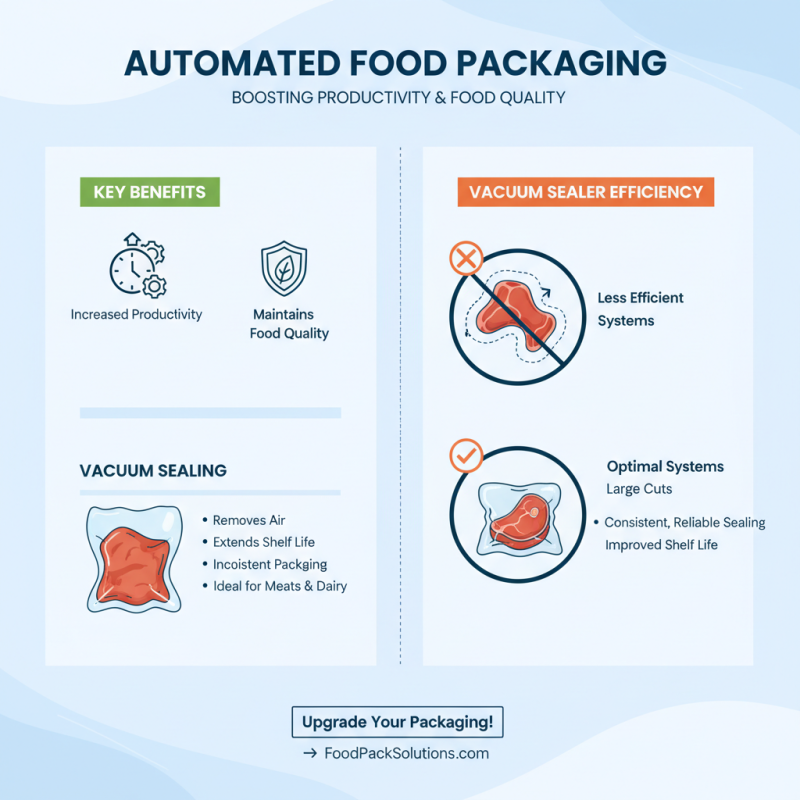
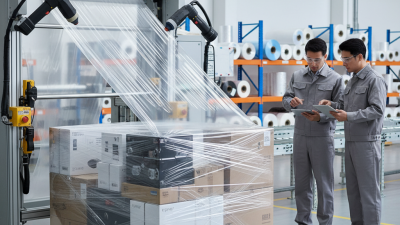
Product reliability matters too. Systems should minimize breakdowns and require less maintenance. This ensures smooth operation and fewer disruptions. Effective sealing technology is essential. It prevents contamination and extends shelf life. Strong seals keep products fresh and appealing.
**Tip:** Invest in training for your team. Proper operation maximizes the system's efficiency and longevity.
Another feature to prioritize is ease of use. A user-friendly interface simplifies the packaging process. This can reduce the learning curve for new staff. Monitor the system's energy efficiency. Energy usage affects long-term operational costs and sustainability.
**Tip:** Regularly review system performance metrics. Identifying areas for improvement can prevent future issues.
Selecting the right automated food packaging system involves careful consideration of these features. Adequate planning will lead to more efficient production and reduce waste.
Top 5 Best Automated Food Packaging Systems
Comparison of Efficiency in Leading Food Packaging Technologies
Automated food packaging systems play a crucial role in enhancing production efficiency. With increasing demand, companies turn to advanced technologies to streamline their processes. Data shows that automation can boost productivity by up to 30%. This significantly reduces labor costs and minimizes human error. The integration of cutting-edge machinery often leads to faster packing speeds, with some systems capable of processing over 120 products per minute.
One area of focus is the efficiency of various packaging technologies. Flexible packaging machines often speed up the process. They adapt easily to different product sizes, reducing downtime. A recent report highlighted that around 40% of packaging efficiency issues arise from machine adjustments. Investing in reliable equipment could mitigate such challenges.
**Tip:** Regularly train your staff on new technologies. Keeping your team updated can help maximize equipment usage.
Additionally, consider the maintenance schedule. Systems that are not regularly serviced may underperform. A study revealed that machines with under 80% uptime face increased replacement costs. Monitoring operational efficiency is vital for ongoing improvements.
**Tip:** Conduct routine audits on your packaging processes. These checks can reveal hidden inefficiencies and help optimize production.
Top 5 Best Automated Food Packaging Systems for Efficient Production
| System Type |
Speed (Packages/Min) |
Efficiency (%) |
Flexibility (Product Types) |
Cost (USD) |
| Vertical Form Fill Seal |
120 |
92 |
5 |
50,000 |
| Horizontal Flow Wrapper |
80 |
85 |
8 |
60,000 |
| Robotic Packaging System |
150 |
90 |
10 |
100,000 |
| Shrink Wrapping Machine |
70 |
80 |
6 |
40,000 |
| Vacuum Packaging Machine |
50 |
88 |
4 |
30,000 |
Maintenance and Support for Automated Food Packaging Solutions
Automated food packaging systems are vital for boosting production efficiency. However, maintenance and support play equally important roles in sustaining operation quality. Regular checks can identify issues early. This proactive approach helps avoid costly downtimes.
When managing these systems, consider investing in training for staff. Knowledgeable workers perform better. They can troubleshoot minor issues without waiting for technicians. This independence can save time and resources.
It’s also wise to establish a clear maintenance schedule. Keep records of all maintenance activities. This helps track performance trends and highlights potential problem areas. Ignoring these details could lead to bigger issues down the line. Regular evaluations can prevent unwanted surprises and ensure smooth operations.
Future Trends in Food Packaging Automation and Technology
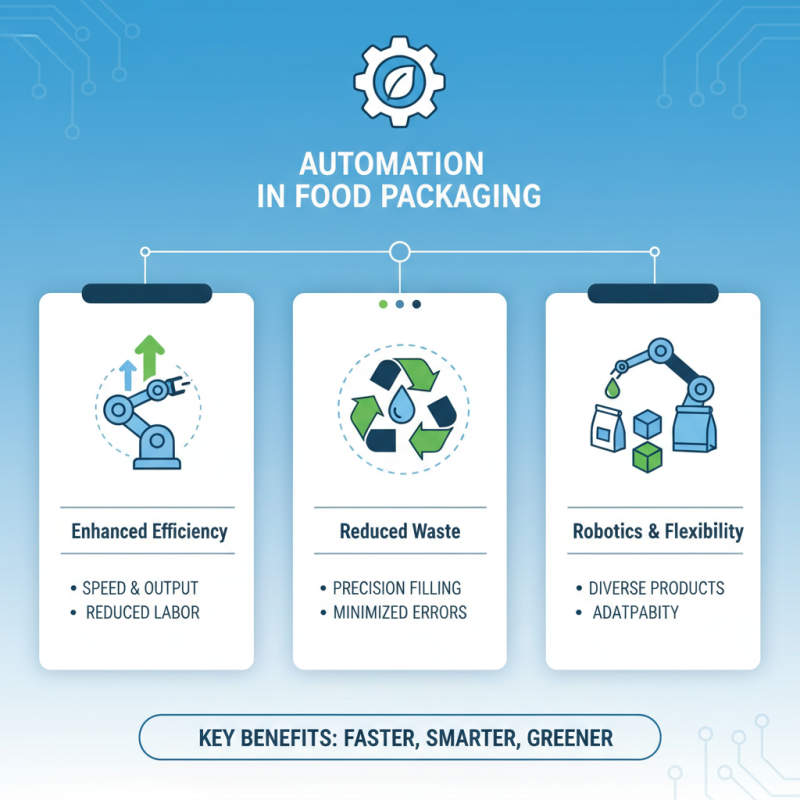
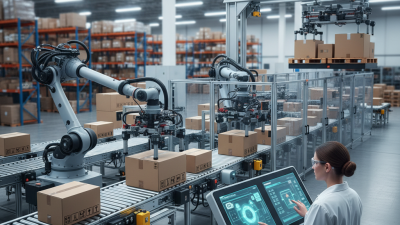
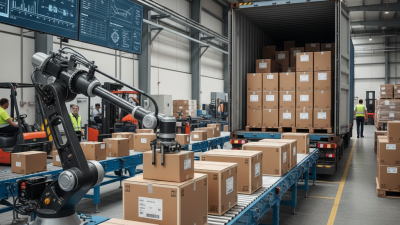
Automation in food packaging is rapidly evolving. New technologies enhance efficiency and reduce waste. Robotics play a crucial role in streamlining processes. Automated systems are designed to handle diverse products, from liquids to solids. This flexibility helps manufacturers adapt to varying demands. With enhanced precision, these systems minimize errors in packaging.
Trends suggest a shift towards smart packaging solutions. Sensors and IoT technology could offer real-time monitoring. This allows producers to track quality and freshness seamlessly. However, integrating these advancements poses challenges. Maintenance can be complex, and training is essential for staff. Relying too heavily on automation may lead to skill gaps. Balancing tech and human involvement is vital.
Sustainability is another crucial aspect. Eco-friendly materials are gaining traction. Consumers increasingly demand green packaging solutions. Yet, not all automated systems support these practices efficiently. Innovations must consider environmental impact while enhancing productivity. The future will likely blend technology and ethics, focusing on holistic improvements in food packaging.