How to Choose the Best Top Tier Palletizer for Your Needs?
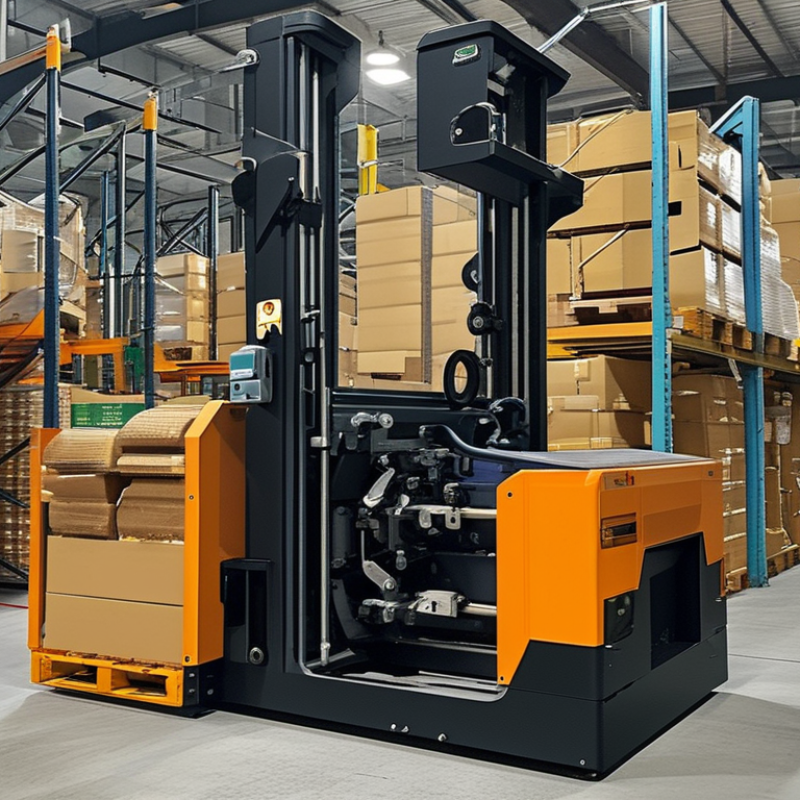
Choosing the right top tier palletizer can be a daunting task. With various types and technologies available, it's crucial to assess your specific needs. Each facility has unique requirements based on production volumes and product specifications.
A top tier palletizer is not a one-size-fits-all solution. It should enhance efficiency while fitting within your budget. Some businesses may prioritize speed, while others value versatility. Understanding these differences is vital.
Investing in a top tier palletizer can streamline operations. However, careful consideration is key to avoid overspending or choosing an incompatible model. The right machine should be reliable and adaptable to changing demands. As you explore options, reflect on your operational goals and challenges to make an informed decision.
Understanding the Different Types of Palletizers and Their Applications
Palletizers are essential in automating the packaging process. Understanding the different types can help you choose the best one for your needs. There are three primary types: articulated, gantry, and robotic palletizers, each suited for specific applications. According to the "2022 Palletizer Market Report," robotic palletizers are expected to grow by 8% annually due to their flexibility and efficiency in various settings.
Choosing the right palletizer involves evaluating production volume and product type. For instance, articulated systems excel in handling irregular shapes. On the other hand, gantry palletizers work well for high-speed operations with consistent products. Consider the square footage available in your facility. Space constraints can influence your selection significantly.
Tip: Assess your current and future production requirements. Will your needs change in the next few years? This reflection is vital for long-term investment.
Additionally, keep maintenance costs in mind. While some systems may have lower upfront costs, their maintenance impacts overall efficiency. Researching industry standards can provide insights into longevity and reliability.
Tip: Have a contingency plan. What happens if the palletizer malfunctions? This foresight helps mitigate production downtime and enhances operational efficiency.
Evaluating Throughput Requirements: How Speed Impacts Your Choice
Evaluating throughput requirements is crucial when selecting a top-tier palletizer. Speed directly impacts productivity and overall efficiency. If your operation demands high output, you need a palletizer that aligns with those needs. Consider how many pallets your facility needs per hour. This will guide you in assessing different models' capabilities.
Speed isn't the only factor to weigh. Transition times between different product types can affect performance. Some palletizers excel in speed but struggle with versatility. A slower machine might be more adaptable to your varying needs. Think about the trade-offs. A balance between speed and flexibility is often necessary in real-world applications.
Many facilities underestimate the importance of line integration. Your palletizer should seamlessly fit into your existing system. A solution that works well in one setup may falter in another. Ensure you evaluate the entire process. The goal is to find a reliable option that enhances your workflow, not complicates it. Reflect on your specific needs and do thorough research before making a choice.
Assessing Configuration: Robotic vs. Conventional Palletizers
Choosing between robotic and conventional palletizers can be challenging. Each option has its strengths and weaknesses. Robotic palletizers offer flexibility. They can handle a variety of products and packaging. According to a report from the International Federation of Robotics, robotic palletizer installations increased by 15% from 2020 to 2021. This growth reflects an industry shift towards automation. However, robots might require higher initial investments and sophisticated programming.
Conventional palletizers provide a cost-effective solution for high-volume production. They excel in speed and efficiency when handling uniform products. A study by PMMI revealed that conventional systems can perform up to 30% faster than robotic systems in certain applications. Yet, they lack the adaptability that robots provide. Facilities with diverse product lines may find conventional solutions limiting. Each business must assess its production needs and operational constraints.
Transitioning from one technology to another isn't straightforward. Staff training and system integration pose potential hurdles. It's crucial to analyze long-term production goals. Will your operation grow or diversify? The right choice hinges on balancing initial costs with future capabilities. Sometimes, the best solution isn't the most advanced or the fastest. It may just be the one that truly fits your specific needs.
Key Features to Look for in Top Tier Palletizers for Efficiency
When selecting a top-tier palletizer, it is crucial to focus on key features that enhance efficiency. One significant aspect is speed. Many industry reports indicate that high-speed palletizers can operate at rates exceeding 25 cases per minute. This capability directly impacts your productivity, allowing you to meet demanding shipment schedules without compromising quality.
Another critical feature is flexibility. Top palletizers accommodate various package types and sizes. According to a recent study, 70% of companies reported that versatile palletizing solutions improved their operational efficiency. This adaptability enables businesses to respond quickly to changing market demands and minimize downtime during product changes.
**Tips:**
Evaluate the system's ease of integration with your existing machinery. Training your personnel on new equipment can also pose challenges. Regular maintenance is essential; it prevents costly breakdowns. Remember, investing in a reliable palletizer can provide significant long-term savings.
Ultimately, the right choice combines speed, flexibility, and reliability. However, various operational considerations need careful reflection. Identify specific needs before making decisions. Taking these steps will ensure a smoother and more effective palletizing process.
Total Cost of Ownership: Analyzing Initial and Operating Costs
When selecting a top-tier palletizer, understanding the total cost of ownership is crucial. Initial costs include the price of the palletizer itself, installation fees, and potential modifications to your facility. Reports from industry experts note that initial investments can range significantly, often exceeding $200,000 for advanced models. It's wise to assess these figures carefully. Some cheaper models may seem appealing, but they may lack essential features.
Operating costs are equally important. Annual maintenance can exceed 10% of the initial cost. Machine downtime, if not managed, can escalate these expenses further. A report by the Association for Packaging and Processing Technologies highlights that even short interruptions can cost more than $100,000 annually in lost productivity.
Consider energy consumption as well. More efficient palletizers can substantially reduce electricity costs. Studies show that advanced models use up to 30% less energy than older machines. Evaluating the long-term impacts of these costs is essential. Often, the cheapest options lead to higher operational risks and expenses over time. Balancing initial and operating costs can make a difference in your overall investment strategy.
How to Choose the Best Top Tier Palletizer for Your Needs? - Total Cost of Ownership: Analyzing Initial and Operating Costs
| Palletizer Type |
Initial Cost ($) |
Annual Operating Cost ($) |
Estimated Lifespan (Years) |
Total Cost of Ownership ($) |
| Robotic Palletizer |
$150,000 |
$20,000 |
10 |
$350,000 |
| Conventional Palletizer |
$100,000 |
$15,000 |
12 |
$280,000 |
| High-Speed Palletizer |
$200,000 |
$25,000 |
8 |
$400,000 |
| Automated Palletizer |
$120,000 |
$18,000 |
11 |
$306,000 |
| Hybrid Palletizer |
$180,000 |
$22,000 |
9 |
$460,000 |