7 Tips for Choosing a Box Erector Machine
Choosing a box erector machine is not just a matter of comparing speed ratings. The right model must handle your carton sizes, board quality, and daily production rhythm. A unit that looks impressive in a showroom may struggle with dusty blanks, tight footprints, or frequent size changes. Small details matter: how smoothly the magazine feeds cartons, how easily an operator clears a jam, and whether the machine leaves boxes square and ready for packing.
No verified expert quotation was provided, so the following is an illustrative line, not a real interview quote. Packaging automation specialist Mara Chen offers this practical principle: “Test the machine with the cartons your team actually runs, not only the samples prepared for a demonstration.” That test can reveal awkward adjustments and inconsistent opening before purchase. It is worth checking the evidence, too: request a live trial, inspect changeover steps, and ask how performance is measured.
The tips ahead cover carton compatibility, output needs, changeover time, footprint, operator access, maintenance, and supplier support. These checks help buyers compare machines on everyday performance rather than brochure claims alone. Still, no checklist replaces a realistic trial. A box erector machine may suit one line beautifully and frustrate another. That part is easy to overlook.

Understand How a Box Erector Works and Fits Your Packaging Line
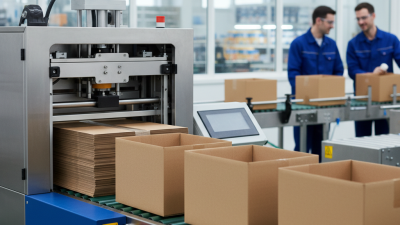
A box erector takes flat corrugated blanks, opens them into square cases, folds the bottom flaps, and seals or holds them for filling. The machine must match your blank size, board strength, and required output. Check how operators load blanks and clear jams, too. A fast machine can still slow the line if its magazine needs frequent refilling. Small details matter.
Tip: Watch a full production cycle before comparing specifications. Note whether cases leave the machine steadily, whether the bottom stays square, and how the erector connects to conveyors or a sealer. Ask about changeover time for your common case sizes. Real changeovers can be messier than a brochure suggests.
PMMI’s 2023 State of the Industry report valued U.S. packaging machinery shipments at $10.9 billion in 2022, reflecting substantial investment in packaging equipment. That figure is broad, not a box-erector performance benchmark. Use it as context, then assess your own line’s speed, staffing, and downtime. Tip: Test your actual corrugated blanks, including the least rigid ones. A small fit issue can become a recurring stoppage.
Define Your Box Sizes, Output Targets, and Production Requirements
7 Tips for Choosing a Box Erector Machine
Define Your Box Sizes, Output Targets, and Production Requirements
Before comparing machines, list the smallest and largest cartons your line uses. Record their length, width, height, board type, and closure style. A machine that handles one standard box well may struggle with a shallow carton or a heavier board. Keep a few real samples nearby. Measurements alone can miss warped flaps or stiff corners.
Tip: Match the machine’s range to your actual production mix, not just your most common box. Estimate peak output per minute, then check whether that rate includes feeding, forming, and operator adjustments. Leave room for short stops. Targets that look neat on a spreadsheet may not reflect a busy shift.
Tip: Map the machine to your line. Check available floor space, carton storage, conveyor height, and who will reload blanks. If box sizes change often, ask how long a changeover takes and which settings require tools. A quick changeover matters. Still, frequent changes can slow output more than expected, so track your real schedule before deciding. Include required inspection and maintenance time in the plan. A little uncertainty is normal. Revisit your estimates after a production trial.
Compare Machine Types, Changeover Speed, and Flexibility
A box erector should match the way your cartons arrive and move through the line. A manual or semi-automatic machine may suit short runs and frequent size changes, especially when an operator can load flat blanks by hand. Automatic models can feed, form, and seal cartons with less handling, but they need a steady supply of blanks and enough floor space. Faster is not always better.
Compare changeover time using your actual carton sizes, not a supplier’s best-case demonstration. Ask how operators adjust guides, magazine width, and forming settings. If a change requires tools or repeated trial runs, a quick product switch can become a slow shift. Time the process with a trained operator, then repeat it with someone less familiar. The result may be less tidy, but it is useful.
Flexibility also depends on the range of box styles and board thicknesses the machine can handle reliably. Bring samples of your smallest and largest cartons, including blanks with slightly different scores. Watch for skewed cases, weak corners, or blanks that fail to feed cleanly. A machine that accepts many formats on paper may still need careful tuning in practice. That uncertainty deserves a place in the buying decision.
Evaluate Reliability, Safety, Automation, and Line Integration
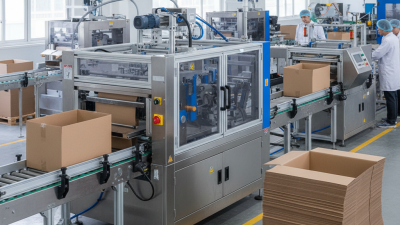
A box erector should run steadily through a full shift, not just perform well during a short demonstration. Ask for a trial using your actual carton sizes, board grades, and production speed. Watch the corners. Do the flaps square up, or does one side drift? Track jams, changeover time, and how easily an operator clears a fault. A fast cycle rate means little if small misfeeds stop the line every few minutes. Check what routine maintenance involves, too: access to forming parts and clear service instructions can save time later.
Safety deserves a close inspection, not a quick glance at a brochure. Check that guards stay in place and that access points stop motion as intended. Ask how operators safely clear a jam and whether controls are easy to understand. Automation should match the work around the machine. Confirm the erector can exchange start, stop, and fault signals with upstream and downstream equipment. Leave room for conveyors, access, and carton replenishment. Run a real case. No trial catches every issue; mixed carton sizes or a busy shift may reveal weak points later. A little uncertainty is normal, but unanswered questions about recovery, integration, or service deserve attention before purchase.
Compare Total Cost, Supplier Support, and Long-Term Value
7 Tips for Choosing a Box Erector Machine
Compare Total Cost, Supplier Support, and Long-Term Value
Tip 1: Match the machine to your actual carton range and daily volume, not just its advertised maximum speed. Ask for a demonstration using your box blanks. Watch how consistently it squares cartons and applies tape. Tip 2: Calculate the full cost: purchase price, tooling, installation, energy, maintenance, and operator time. A low quote can hide expensive changeovers. Small costs add up.
Tip 3: Check how quickly common adjustments can be made when carton sizes change. Tip 4: Ask which spare parts are stocked locally and how quickly technical support responds. Get training, warranty coverage, and service terms in writing. A quick phone reply helps, but a technician who can diagnose recurring jams matters more. Check the details.
Tip 5: Compare expected maintenance needs, including wear parts and service intervals. Tip 6: Estimate the cost of downtime using your own production schedule; even a short stoppage can delay packing. Tip 7: Consider long-term value, not just the first-year price. A spreadsheet may miss awkward changeovers or cleaning time, so leave room for a site trial. The best choice is not always the fastest machine. It is the one your team can run reliably, support, and maintain as production needs shift.