How to Choose the Right Elgi Compressor for Your Business?
Choosing the right Elgi Compressor for your business can significantly impact operations. With various models and specifications available, the selection process can be daunting. It’s essential to consider your unique requirements, such as air demand, application type, and size constraints. Understanding these elements can lead you to the most suitable compressor.
Elgi Compressors have established a solid reputation in the industry. They offer reliable performance and efficiency. However, not every model suits every business. You might find yourself questioning which features matter most. This decision can be a challenging experience. Researching different models and their applications can provide valuable insights.
Investing in an Elgi Compressor involves balancing cost and functionality. While cheaper options may be tempting, they might not meet your long-term needs. It's crucial to assess not only the initial purchase price but also maintenance costs and energy efficiency. Take the time to reflect on your specific business needs before making a commitment. A thoughtful choice will yield better results over time.
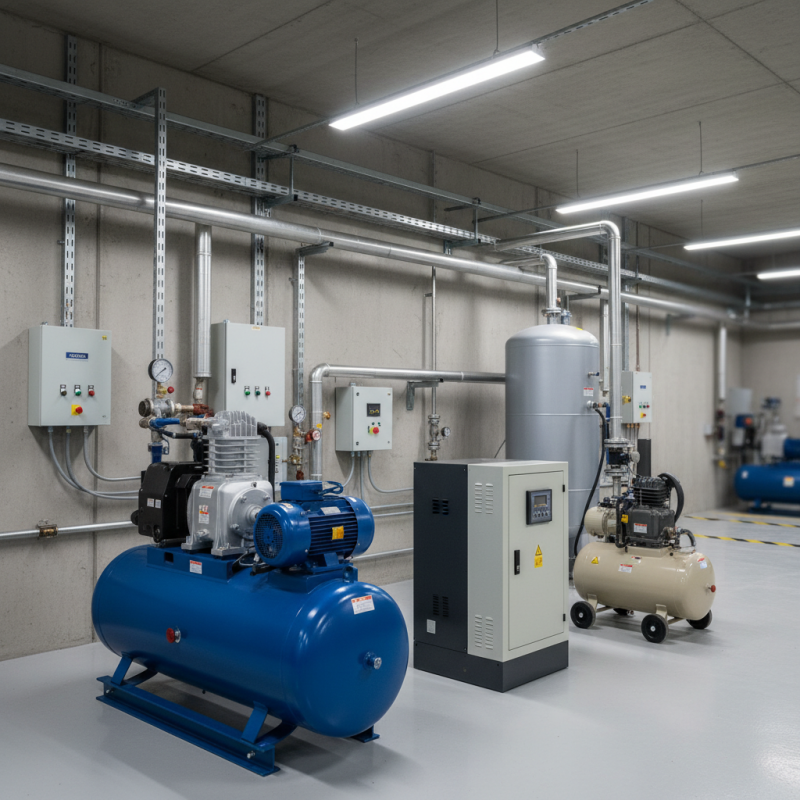
Understanding the Different Types of Elgi Compressors Available
When selecting the right air compressor for your business, it’s crucial to understand the different types available. Compressors can range from portable models to large industrial units. Knowing your specific needs will guide your choice.
Rotary screw compressors provide continuous air supply. They are efficient and great for heavy-duty tasks. Piston compressors, on the other hand, are typically used for lighter applications. They are more affordable but may require more maintenance over time.
Tips: Consider the power requirements. Check the power source available in your facility. Noise levels are another factor. A quieter model may be necessary in workspaces where sound matters.
Fixed compressors are suitable for businesses that require a steady air flow. However, if your needs change frequently, a portable option might be better. Thinking about future requirements can save you money in the long run. Balancing immediate needs with long-term plans is essential.
Evaluating Your Business Needs for Air Compression Solutions
When considering an air compression solution, evaluating your business needs is crucial. Start by assessing the type of tasks your machinery will perform. Different industries have unique requirements. For example, a manufacturing unit may need heavy-duty compressors, while a small workshop might only require a portable solution. Understanding your workload helps in making informed decisions.
Next, consider the air volume and pressure needed. Different applications demand varying levels of air output. Using insufficient pressure can lead to equipment malfunction. On the other hand, over-specifying can result in unnecessary costs. Measure your current needs and project any future growth to choose a compressor that scales with your business.
It's also essential to reflect on the energy efficiency of the compressors. Consider the running costs. A high initial cost might seem daunting. However, over time, energy savings can make a significant difference. Don't overlook maintenance requirements either. Regular upkeep affects longevity and efficiency. Taking the time to evaluate these factors prepares your business for future challenges.
Key Features to Consider When Selecting an Elgi Compressor
When selecting an Elgi compressor, several key features should guide your decision. Efficiency often ranks high on the priority list. According to industry reports, energy-efficient compressors can reduce operating costs by 30% over time. Look for models with advanced motor technology. These features help to optimize energy use while maintaining performance.
Another crucial aspect is the compressor's air delivery rate. It should align with your business's specific needs. For example, a compressor with a higher CFM (cubic feet per minute) is better suited for heavy-duty applications. Also, consider the noise level of the compressor. A quieter model is preferable for workplaces where noise can disrupt operations and productivity.
Tips: Evaluate your compressed air requirement before choosing a model. Conduct a detailed analysis of your operational demands. Pay attention to maintenance needs as well. Frequent maintenance can lead to unexpected downtime and higher costs. Look for models with user-friendly maintenance features to simplify this process. Remember, not all compressors will fit your needs perfectly. Choose one that best balances performance, cost, and serviceability.
Assessing Energy Efficiency and Cost-Effectiveness in Compressors
When selecting an air compressor, energy efficiency and cost-effectiveness are crucial factors. Studies show that compressed air systems can account for 10-30% of industrial electricity usage. This highlights the importance of choosing the right compressor to minimize energy costs.
Efficiency ratings and operational costs vary between models. A model with a high efficiency rating may save more on energy in the long run, even if the initial investment is higher. According to the U.S. Department of Energy, upgrading to a more efficient air compressor can save a facility thousands per year.
**Tip:** Consider the duty cycle of your operations. If your business requires constant air supply, a model designed for continuous use may be more cost-effective despite higher upfront costs.
Another aspect to evaluate is maintenance costs. Regular maintenance can help reduce energy consumption and extend the lifespan of the compressor. A well-maintained unit can operate at peak performance, reducing unexpected breakdowns.
**Tip:** Review service agreements thoroughly. Some options include preventative maintenance plans that can mitigate long-term costs.
A well-chosen compressor should align with your energy needs and budget constraints. Balancing initial costs with potential savings on operation is key to making a responsible decision.
How to Choose the Right Elgi Compressor for Your Business? - Assessing Energy Efficiency and Cost-Effectiveness in Compressors
| Compressor Type | Horsepower (HP) | Energy Efficiency (%) | Cost ($) | Annual Operating Cost ($) |
| Reciprocating Compressor | 5 | 87 | 4,500 | 1,200 |
| Rotary Screw Compressor | 10 | 90 | 8,000 | 1,800 |
| Centrifugal Compressor | 15 | 92 | 12,000 | 2,200 |
| Scroll Compressor | 3 | 85 | 3,000 | 900 |
| Diaphragm Compressor | 2 | 88 | 2,500 | 800 |
Maintenance and Support Considerations for Elgi Compressor Selection
When selecting an air compressor, maintenance and support should play a vital role in your decision. A reliable compressor requires regular upkeep for optimal performance. Simple tasks like checking oil levels and monitoring air filters can significantly prolong lifespan. Investigate what maintenance options are available for each model. Some equipment comes with user-friendly maintenance features, which can save valuable time.
Consider the availability of technical support. It is essential to have access to knowledgeable professionals who can assist with repairs or troubleshooting. Evaluate the warranty options offered by the manufacturer. A comprehensive warranty can provide peace of mind, especially in high-production environments. Research customer reviews to understand the support experiences of others.
Reflect on your specific needs. Will your operations require frequent service? If so, choose a model that aligns with your maintenance capacity. Additionally, assess the long-term costs associated with upkeep. Sometimes, a cheaper model may have higher maintenance costs over time. Therefore, it’s crucial to weigh these factors carefully before making a decision.