BLOG

How to Choose the Right Pallet Wrap for Your Needs?

Choosing the right pallet wrap can significantly impact your packaging efficiency. Industry expert John Smith, a seasoned professional in logistics, emphasizes, "The right pallet wrap ensures stability and reduces damage." With various options available, selecting the right one may be challenging.

Pallet wrap comes in different forms, including stretch film and shrink wrap. Each type serves specific purposes. Stretch film is ideal for securing odd-shaped loads, while shrink wrap provides a tight seal around products. Understanding your needs is crucial.

Consider the size and weight of your pallets. The right thickness and stretchability are vital for optimal protection. Reflect on your experience with previous wraps. Did they perform well or leave issues? Examining these factors will guide you towards the best pallet wrap for your unique requirements.

How to Choose the Right Pallet Wrap for Your Needs?

Understanding the Different Types of Pallet Wrap Materials Available
How to Choose the Right Pallet Wrap for Your Needs?

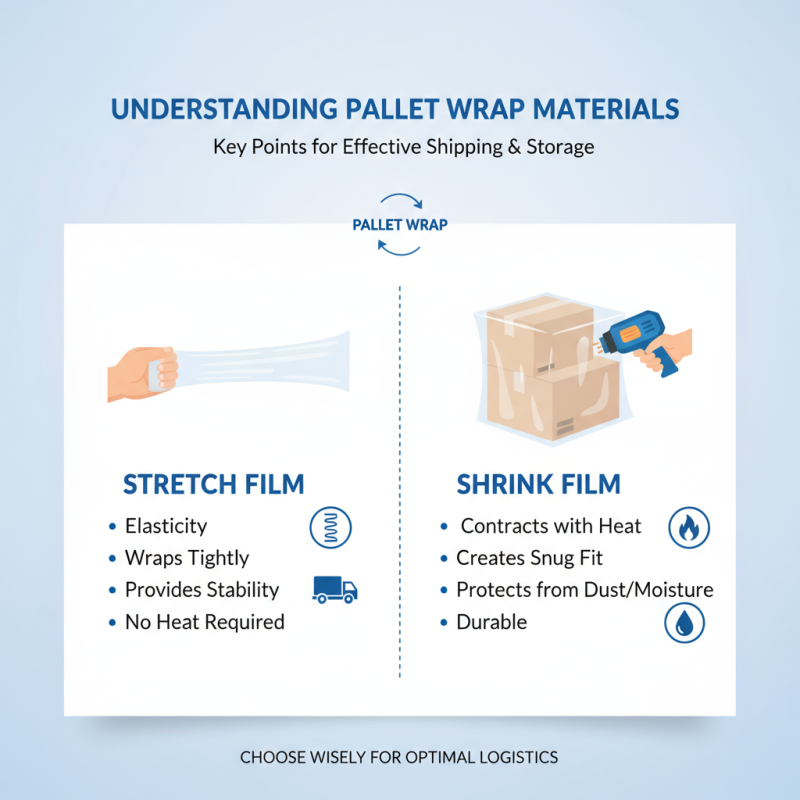
Choosing the right pallet wrap is crucial for effective shipping and storage. Understanding the different types of pallet wrap materials can significantly impact your logistics process. There are primarily two categories: stretch film and shrink film. Stretch film is popular for its elasticity. It wraps tightly around products, providing stability during transport. Shrink film, on the other hand, contracts when heated, creating a snug fit around pallets.

Data from the Flexible Packaging Association indicates that stretch film usage has risen by 30% over the past five years. This growth reflects its effectiveness in reducing product damage. When selecting a material, consider the load type. Heavy, irregular-shaped items benefit from thicker stretch films, while shrink films suit lighter loads.

Tip: Always test different wraps on sample loads to evaluate performance before bulk purchases.

It's also vital to reflect on environmental impact. Many companies now prefer biodegradable options. Reports highlight that around 20% of pallet wrap is disposed of improperly, affecting landfills. Switching to eco-friendly materials can enhance your company's reputation and reduce long-term waste.

Tip: Collaborate with suppliers who prioritize sustainability to contribute positively to the environment.
Evaluating the Thickness and Stretch Characteristics of Pallet Wrap

When selecting pallet wrap, the thickness and stretch characteristics are crucial factors. Reports indicate that the standard thickness for pallet wrap ranges from 15 to 80 gauge. Thicker wraps provide better puncture resistance but may be less stretchable. A thinner wrap, such as 15 gauge, allows for higher stretch but can compromise load stability.

Stretchability is another key characteristic. High-stretch wraps can expand significantly, often up to 300%, ensuring tight load containment. However, over-stretching can lead to premature breakage. A balance is necessary. According to a study by the Packaging Association, choosing the right combination can reduce material costs by up to 20%. This highlights the importance of tailored wrap selection.

Different materials serve various needs. For instance, pre-stretched films are designed to maintain strength while using less material. Beginners often overlook these details, leading to potential waste and inefficiency. Understanding these properties fosters informed choices, ultimately enhancing warehouse operations.

How to Choose the Right Pallet Wrap for Your Needs? - Evaluating the Thickness and Stretch Characteristics of Pallet Wrap

Pallet Wrap Type Thickness (microns) Stretch Ratio (%) Load Stability Recommended Application
Standard Pallet Wrap 20 250 Moderate General Use
Heavy Duty Pallet Wrap 30 300 High Heavy Loads
Bundling Film 15 200 Low Small Packages
Pallet Shrink Wrap 25 225 Moderate Temperature Sensitive Items
Pre-Stretched Film 18 350 High Efficient Use of Material

Comparing Linear, Regular, and Pre-Stretched Pallet Wrap Options

When choosing the right pallet wrap, understanding the differences among linear, regular, and pre-stretched options is crucial. Linear pallet wrap offers superior strength and elongation, making it ideal for heavy loads. Research shows that load stability can increase by up to 50% when using linear wraps compared to others. However, this type can be less economical for smaller applications.

Regular pallet wrap is often the go-to choice for general use. It provides a balance between cost and performance. Data indicates that regular wraps can cover about 80% of the market due to their versatility. This option is suitable for both light and moderate loads. Yet, it may not perform as well in high-stress environments, leading to potential load failures.

Pre-stretched pallet wrap is engineered for efficiency. It requires less material while maintaining strong hold. Studies suggest that it can reduce film usage by up to 30%, thus lowering costs and environmental impact. Still, users must ensure that they are familiar with proper wrapping techniques. Improper application can lead to ineffective load stabilization.

Comparison of Pallet Wrap Types

Assessing Load Stability Requirements for Various Shipping Methods

When it comes to shipping, load stability is crucial. Different methods require different protections. For instance, freight shipping often encounters rough handling. Therefore, a thicker pallet wrap is advisable. This helps secure your goods, preventing them from shifting. Stronger wraps can absorb shocks during transit. So, consider the conditions your shipment will face.

Assess the weight of your load. Heavier items may need reinforced wrapping. If you're shipping fragile products, use wraps with cushioning properties. It can make a difference. An unstable load can result in damage. Think about the distance as well. Longer trips increase the likelihood of mishaps. Ensure your wrap is up to the task.

Sometimes, you might overthink your needs. It's easy to get caught up in the details. But a simple test can help. Wrap a sample load, and observe how well it holds up. Take notes on any failures or weaknesses. This hands-on approach can reveal important insights. Trust your observations to guide your choice.

Cost-Effectiveness: Choosing the Right Pallet Wrap for Your Budget

How to Choose the Right Pallet Wrap for Your Needs?

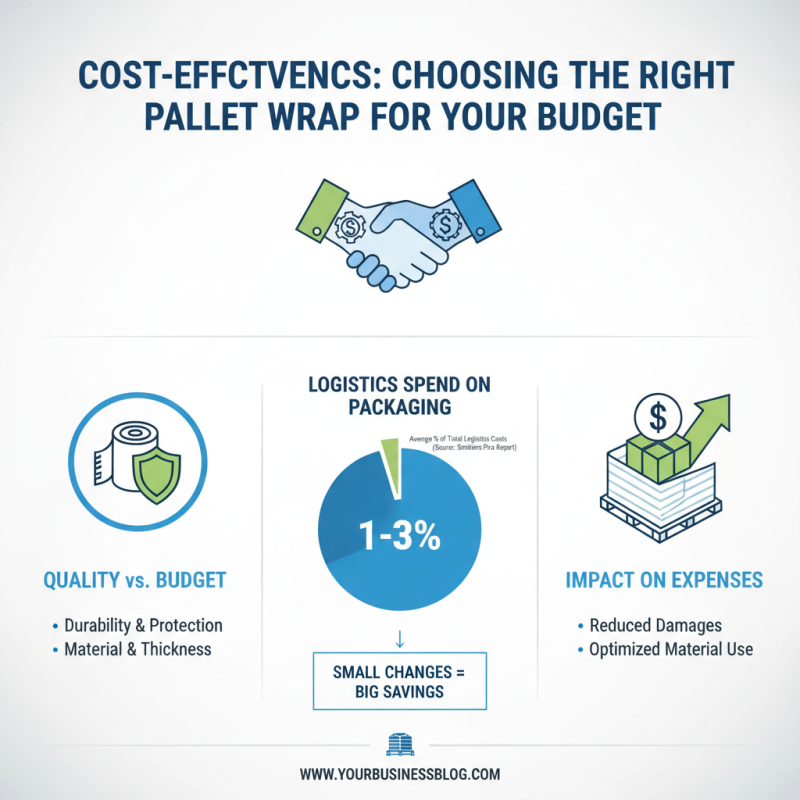
When selecting pallet wrap, cost-effectiveness is a crucial consideration. Businesses need to balance quality with budget. In a report by Smithers Pira, companies spend an average of 1% to 3% of their total logistics costs on packaging. This means that even slight changes in pallet wrap choice can impact overall expenses significantly.

High-quality stretch films may seem expensive upfront. However, they often result in fewer damages and reduced waste. According to industry data, using thicker wraps can lead to a reduction in claims by up to 20%. This could translate to substantial savings in the long run. Conversely, opting for cheaper wraps might save money initially but could result in increased product damage.

Another point to consider is the environmental impact. With recyclable and biodegradable options becoming more prevalent, eco-friendly films can have higher initial costs. Nevertheless, this choice can enhance brand reputation and appeal. A recent study indicated that 60% of consumers prefer sustainable brands. Balancing both cost and environmental responsibility is essential. Ultimately, evaluating long-term benefits against immediate costs can help determine the right pallet wrap choice. Keeping these factors in mind will lead to more informed decisions.

Go to Top