What is a Packaging Machine and How Does it Work?
In the modern manufacturing landscape, the importance of a packaging machine cannot be overstated. Industry reports indicate that the global packaging machinery market is projected to reach $50 billion by 2026. This growth is fueled by increasing demand for efficient and reliable packaging solutions across various sectors. According to Dr. Emily Tran, a notable expert in the packaging industry, "A packaging machine is essential for meeting the speed and quality requirements of today’s consumers."
A packaging machine automates the packaging process, enhancing productivity and reducing labor costs. It plays a crucial role in maintaining product integrity and shelf life. However, many companies still underestimate the complexity involved in these machines. Far too often, businesses invest in equipment without fully understanding their operational needs. This oversight can lead to inefficiencies and increased downtime.
As the industry evolves, the challenge remains to adapt to new technologies and consumer demands. A packaging machine might seem straightforward, yet it involves intricate systems working in harmony. Firms must address potential flaws in their processes. A more thoughtful approach can lead to better results and longevity in the competitive marketplace.
What is a Packaging Machine?
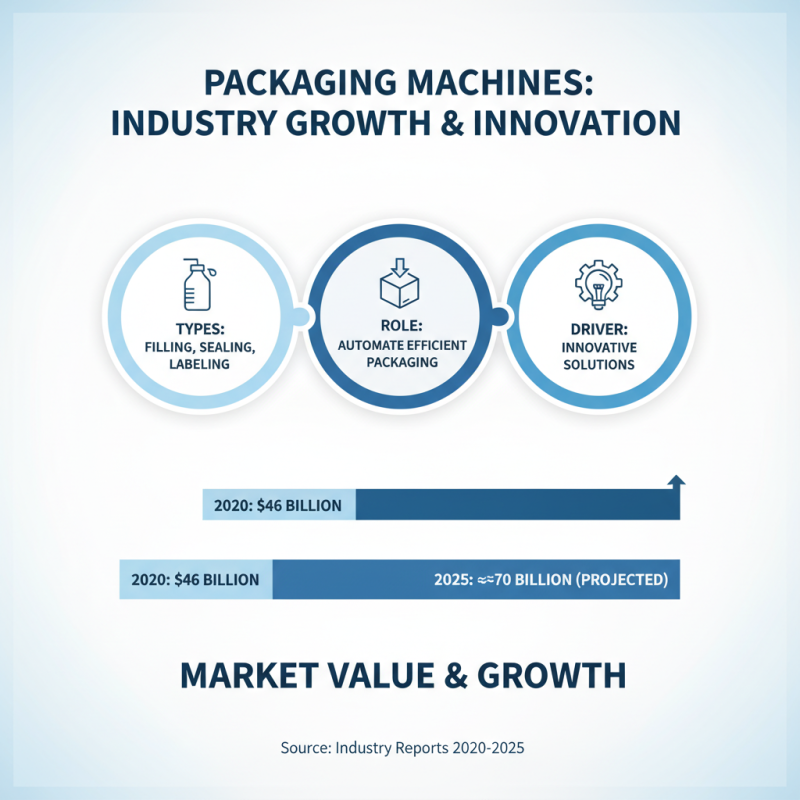
Packaging machines play a crucial role in various industries. They are designed to automate the process of packaging products efficiently. These machines come in different types, including filling, sealing, and labeling machines. The global packaging machinery market was valued at approximately $46 billion in 2020 and is projected to grow significantly. By 2025, it is expected to reach nearly $70 billion, driven by demand for innovative packaging solutions.
One key aspect of packaging machines is their ability to improve productivity. For example, a modern packaging line can operate at speeds of over 300 packages per minute. This efficiency is vital in meeting the increasing consumer demand. However, maintaining such speed can lead to challenges, especially in quality control. Improper settings can result in packaging defects, affecting product integrity and customer satisfaction.
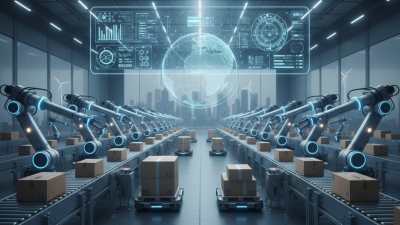
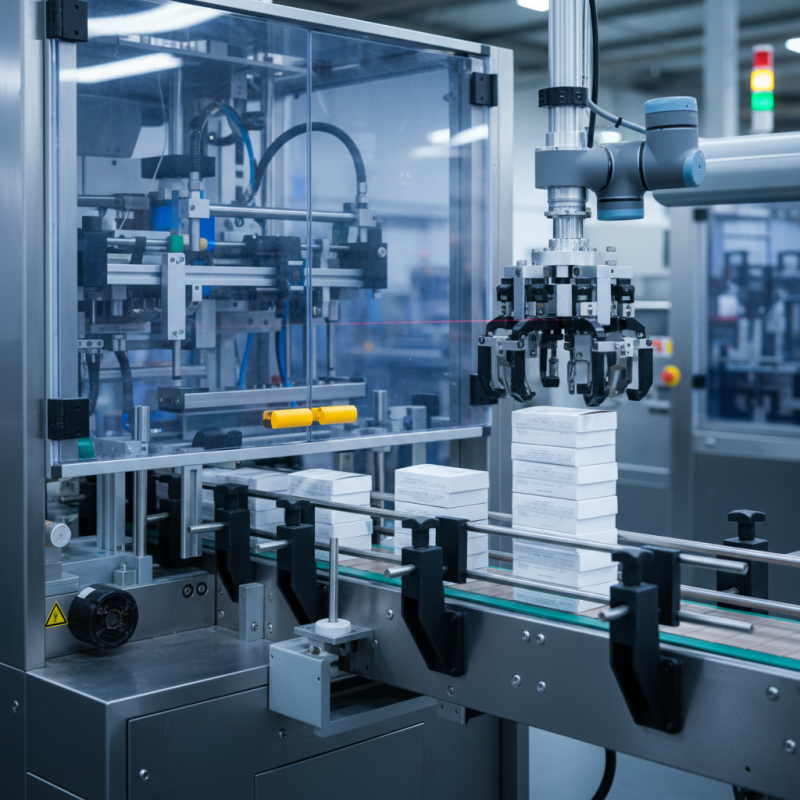
The integration of technology in packaging machines has brought many advantages. Sensors and robotics can enhance precision and reduce human error. However, this technology also requires skilled operators who understand these systems. Training costs and the learning curve can be significant hurdles for some companies. Balancing automation with human oversight remains a crucial consideration in optimizing packaging processes.
Types of Packaging Machines and Their Uses
Packaging machines play a vital role in various industries. They come in different types, each designed for specific functions. For instance, filling machines insert products into containers. This process ensures precise quantities. These machines can handle liquids or solids, adapting to diverse products.
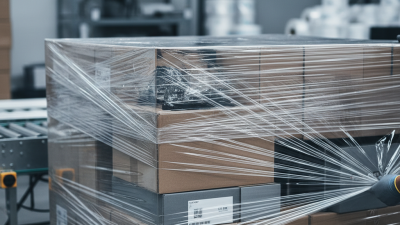
Another type is the sealing machine. It secures packages, preventing contamination. Effective sealing maintains freshness. Many products rely on this for quality. Wrapping machines take a different approach. They cover items in protective material, which can be plastic or paper. This method enhances presentation and safeguards contents.
Yet, not all machines are flawless. Maintenance can be a challenge. Downtime impacts production. Operators must regularly check settings. Misalignments can occur, affecting throughput. Training is essential for efficiency. Despite the hurdles, these machines drive the packaging industry forward, showcasing both innovation and necessity.
Key Components of a Packaging Machine
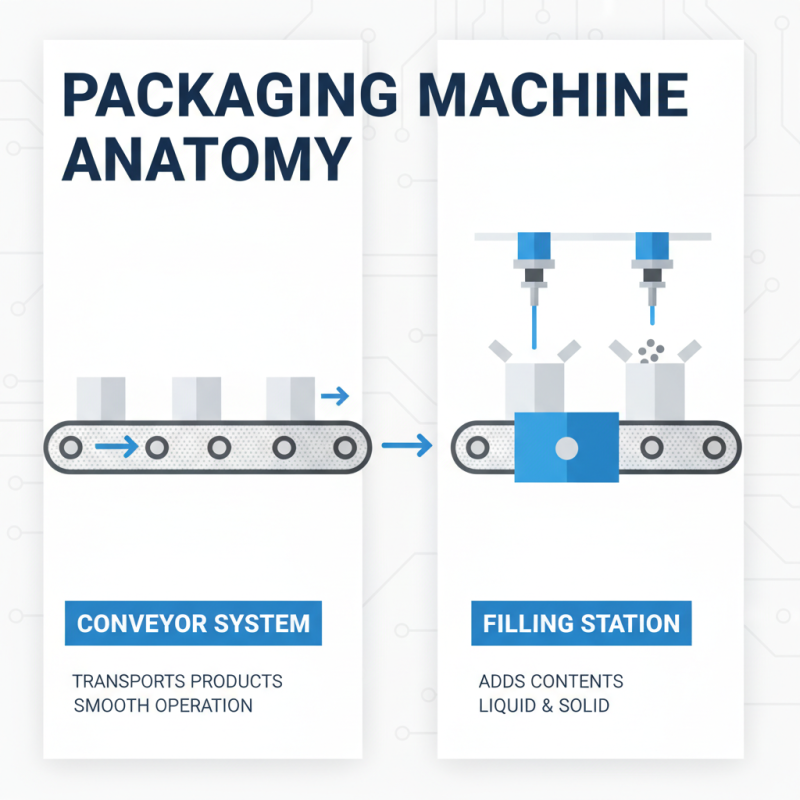
Packaging machines play a vital role in various industries. Understanding their key components can help visualize how they function. At the heart of these machines lies the conveyor system. It transports products through different stages, ensuring smooth operation. Additionally, the filling station is crucial. This is where products receive their contents, whether liquid or solid.
Sealing mechanisms are another essential part. They securely close packages, preventing leaks or spills. These devices might use heat or pressure, which vary based on the product. Labeling systems follow closely behind, adding branding or important information to each package. Accurate labeling is vital; errors can lead to confusion.
Finally, control panels manage the machine's operations. They allow operators to adjust settings and monitor performance. While automation makes processes efficient, it can also lead to unexpected challenges. Maintenance is often overlooked, leading to issues down the line. Striking a balance between efficiency and reliability is a constant pursuit for manufacturers.
The Packaging Process: Step-by-Step Explanation
The packaging process typically involves several key steps. At the start, products are prepared for packaging. This could mean sorting items or ensuring they meet quality standards. It's crucial to check every product carefully. In some cases, this step can be overlooked, leading to inconsistencies.
Once the products are ready, they move to the packaging machine. This machine can fill, seal, and label items automatically. Accurate measurement is vital during this stage. If measurements are off, it could result in overfilled or underfilled packages. Not every batch comes out perfect, which requires ongoing adjustments to the machine settings.
After the products are packed, they go through final inspections. This step checks for damage and labeling accuracy. It's a moment for reflection. Skipping this can lead to customer dissatisfaction. Every detail counts in packaging. The end goal is to deliver quality products, so maximizing efficiency while ensuring thoroughness is essential.
Maintenance and Safety Considerations for Packaging Machines
Maintenance and safety are critical for packaging machines. According to the International Packaging Association, equipment failure can lead to significant downtime, costing manufacturers about $50,000 per hour. Regular maintenance is essential. Employees should be trained to perform routine checks. This prevents minor issues from becoming major problems.
Safety considerations are equally important. The OSHA reports that improper use of machinery contributes to many workplace injuries. Workers must wear appropriate personal protective equipment (PPE). Machine guards should be in place to protect operators from moving parts. Clear signage should be posted near machines, indicating hazard areas and safe practices.
Failure to address these concerns can lead to accidents. Surprisingly, about 30% of packaging companies do not prioritize safety training. This oversight can jeopardize worker safety. Investing in safety measures can greatly reduce the risk of injuries and increase overall productivity. A closer look at maintenance schedules and safety protocols often reveals areas for improvement. Regular assessments can identify weaknesses before they lead to serious issues.