What is Shrink Wrap and How is it Used in Packaging?
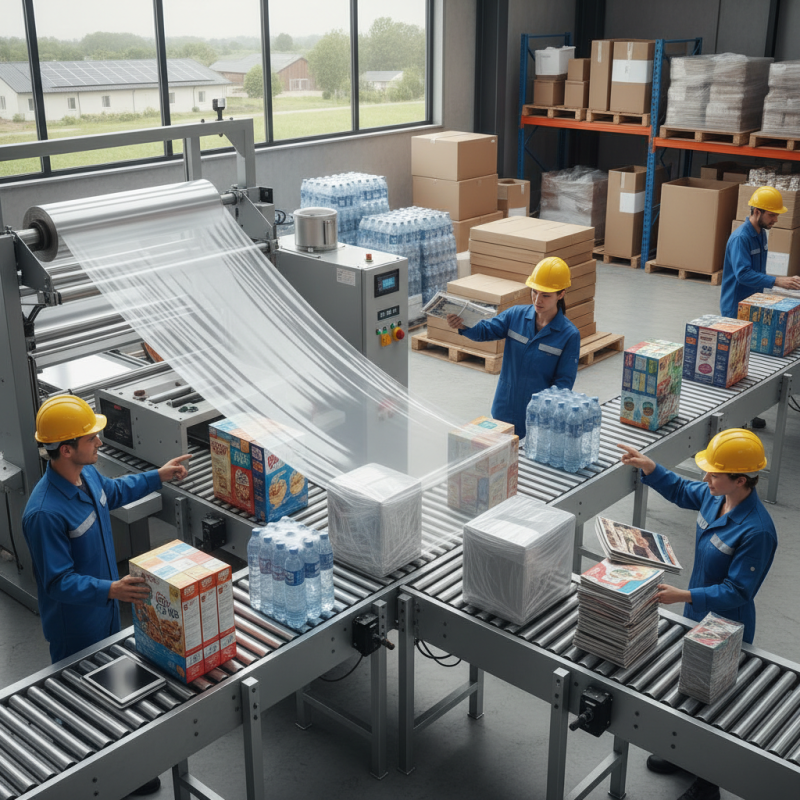
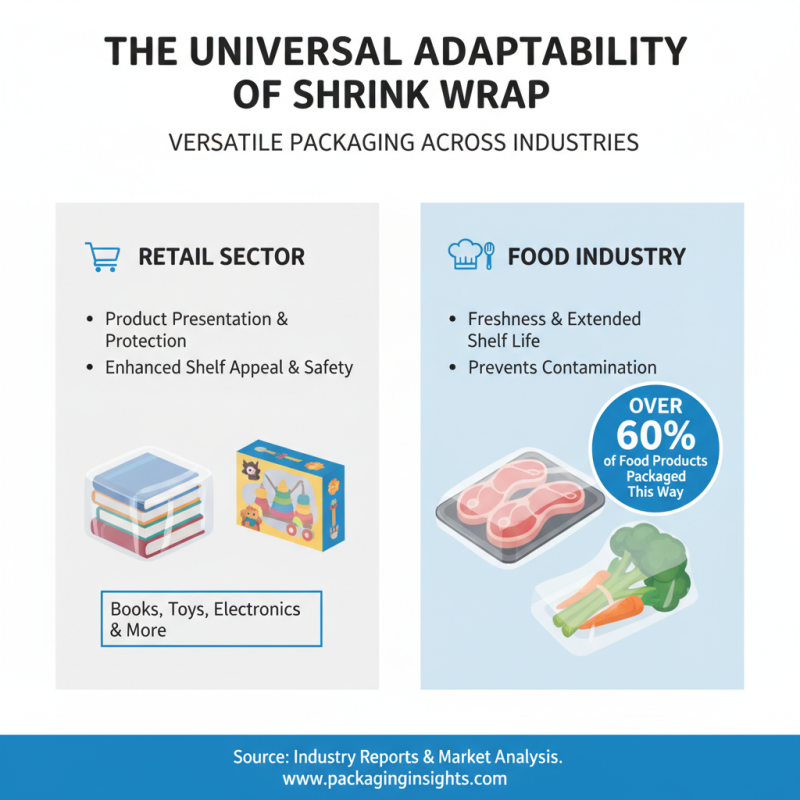
Shrink wrap is a versatile packaging solution commonly used in various industries. This plastic material, when heated, conforms tightly around products, creating a secure and protective layer. Its lightweight nature and flexibility make it suitable for numerous items, from food to electronics.
Many businesses rely on shrink wrap for efficient packaging. It protects products during transport and provides a tamper-evident seal. However, some overlook the environmental impact of using plastic materials. Sustainable alternatives are becoming more important as awareness grows.
Shrink wrap can sometimes be tricky to use. Improper sealing can lead to wasted materials or compromised product safety. Exploring best practices can help improve effectiveness. Understanding shrink wrap's capabilities will enhance packaging strategies and address potential challenges.
What is Shrink Wrap and Its Basic Properties
Shrink wrap is a versatile packaging material made from thin plastic films. Its unique properties make it ideal for a variety of applications. Typically, it shrinks tightly around the product when heat is applied. This creates a secure seal, protecting items from dust, moisture, and tampering.
The market for shrink wrap is significant. According to industry reports, the global shrink film market was valued at around $4 billion in 2022 and is expected to grow steadily. This growth highlights how important shrink wrap is in various sectors, including food, pharmaceuticals, and consumer goods. The film is often made from polyolefin, PVC, or polyethylene, each offering distinct characteristics suitable for different needs.
Despite its benefits, shrink wrap has limitations. It can be difficult to recycle, contributing to environmental concerns. Additionally, improper application can lead to poor sealing, which compromises product safety. Many manufacturers grapple with these challenges as they strive for more sustainable options. Awareness of these issues is rising, and the industry is exploring alternatives to conventional shrink wrap materials.
Historical Development of Shrink Wrap in the Packaging Industry
Shrink wrap, a popular packaging material, has an intriguing history. Its use can be traced back to the late 1960s. The technology was pioneered as a solution for protecting products during shipping. Initially, it gained traction in industries like food and consumer goods. Over time, its versatility became apparent.
By the 1980s, shrink wrap saw widespread adoption. Companies began using it for bundling items, protecting them from dust and moisture. It was especially valuable for businesses looking to save space. However, the environmental impact of shrink wrap was often overlooked. While it provided excellent protection, it also contributed to plastic waste.
Today, the industry grapples with this dilemma. Innovations aim to create more sustainable options, but they aren't always perfect. Some products still rely heavily on conventional materials. The push for balance continues, allowing shrink wrap to evolve while addressing its ecological footprint. It's a complex journey of improvement and reflection.
Historical Development of Shrink Wrap in the Packaging Industry
The following bar chart represents the growth trend of shrink wrap usage in the packaging industry from 2000 to 2020. This data highlights the increasing adoption of shrink wrap technology in various sectors over the past two decades.
Different Types of Shrink Wrap Materials and Their Applications
Shrink wrap is widely used in various industries for packaging. Different materials cater to various needs. Polyethylene (PE) is a popular choice. It’s versatile and cost-effective. PE shrink wrap is often used for bundling products. It provides a tight seal and protects against dust and moisture.
Polyvinyl chloride (PVC) shrink wrap is another common material. It offers clarity and puncture resistance. Many retailers use PVC for wrapping individual items. However, the environmental impact of PVC is a concern. Industry reports indicate that about 30% of the PVC used in packaging ends up in landfills. This raises questions about sustainability.
Polyolefin (POF) shrink wrap is gaining popularity. It is more eco-friendly than PVC and provides excellent clarity. POF films are heat-resistant and flexible. They are suitable for food packaging, which is an important market. According to recent studies, the demand for POF films is projected to grow by 4.5% annually. This growth reflects shifting preferences toward more sustainable materials among consumers. Nonetheless, companies must address the challenge of recycling POF effectively.
Environmental Impact and Sustainability Considerations of Shrink Wrap
Shrink wrap is a common packaging choice. It provides protection and can extend shelf life. However, its environmental impact is significant. Made primarily from polyethylene, shrink wrap is not biodegradable. Reports indicate that around 300 million tons of plastic are produced globally each year, with a substantial portion being plastic film.
The recycling rate for plastic films is alarmingly low. Only about 9% of plastics are recycled effectively. This creates a persistent problem, as waste accumulates in landfills and oceans. Even when recycled, shrink wrap can complicate processing. Contamination with other materials often hinders recycling efforts. This highlights the need for sustainable practices within the industry.
Tips: Consider using alternative packaging materials when possible. Look for biodegradable options or compostable films. Also, assess suppliers who prioritize sustainability in their packaging choices. Encouraging your supply chain to adopt greener practices can lead to meaningful change. Support innovations in material science that focus on reducing plastic reliance.
What is Shrink Wrap and How is it Used in Packaging?
| Dimension |
Data |
| Material |
Polyolefin, PVC, Polyethylene |
| Usage in Packaging |
Wrapping products, Bundling, Protection from dust and moisture |
| Environmental Impact |
Non-biodegradable, Energy-intensive production, Recycling potential (depends on the type) |
| Sustainability Considerations |
Use of recyclable materials, Biodegradable alternatives, Reducing overall packaging waste |
| Applications |
Food packaging, Electronics, Retail products |
| Benefits |
Tamper-evident, Cost-effective, Customizable sizes |