Top Tips for Choosing the Best Carton Packer Solutions?
When it comes to selecting the right carton packer, businesses face numerous challenges. A carton packer can greatly enhance efficiency and productivity. However, not every solution is suitable for every company. Understanding your specific needs is crucial.
Consider the dimensions of your products. An appropriate carton packer should handle various sizes with ease. Evaluate the speed requirements as well. Some industries demand rapid packing, while others prioritize precision. Your choice should match these operational needs.
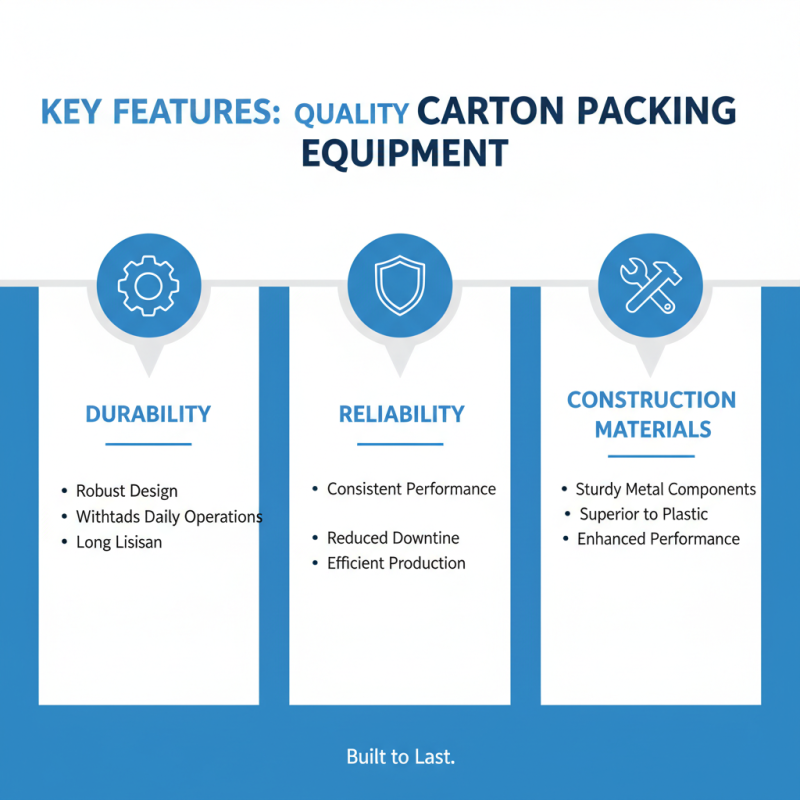
Don’t overlook the importance of reliability. Research different brands and models. Look for established companies in the market. Customer reviews can offer valuable insights. Remember, investing in the right carton packer is essential for long-term success. A poor choice can lead to increased costs and inefficiency. Thus, careful consideration is necessary.
Understanding the Role of Carton Packers in Modern Logistics
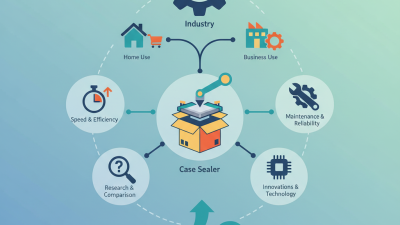
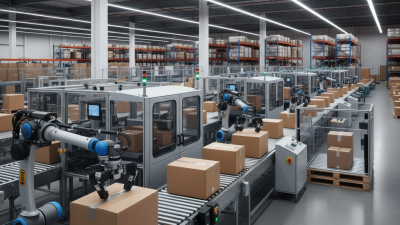
In modern logistics, carton packers play a vital role in streamlining operations. These machines enhance efficiency, reduce labor costs, and ensure products are securely packed for distribution. Understanding their importance can help businesses optimize their packaging processes.
Tips for selecting the right carton packer include assessing your production volume. Smaller operations may need a basic model, while larger facilities require advanced systems. Consider the layout of your workspace as well. A machine that fits well can improve workflow and reduce handling time.
Also, think about the types of products you ship. Fragile items need careful handling. Choosing a machine with customizable settings can prevent damage. Be aware that not all machines perform flawlessly; reviewing user experiences can provide insights into possible shortcomings. Always test the machine if possible. This helps determine if it meets your unique needs and expectations.
Evaluating Different Types of Carton Packing Solutions Available
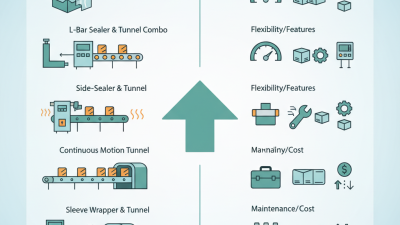
When it comes to selecting carton packing solutions, understanding the various types available can greatly influence your efficiency. Automated solutions, for instance, are designed to streamline operations. They can adapt to different carton sizes with ease. This flexibility often results in better productivity.
On the other hand, manual packing solutions may still hold value, especially for businesses with lower volumes. They provide a more hands-on approach, allowing for careful packing of delicate items. However, manual solutions can lead to inconsistencies. Training staff is crucial to ensure quality.
Another consideration is the integration of technology. Smart packing systems can analyze productivity data. They help identify bottlenecks in packaging processes. However, implementing these systems requires investment. Weighing the benefits against costs is essential. Each solution has its pros and cons, making careful evaluation important.
Assessing Cost-Effectiveness and ROI of Carton Packer Systems
When assessing the cost-effectiveness and ROI of carton packer systems, it's essential to analyze several factors. Start by examining the initial investment against potential savings. This helps in understanding the financial impact over time. Evaluate automated versus manual options. Automation may have higher upfront costs but can significantly reduce labor expenses long-term.
Look into the speed and efficiency of various systems. A reliable carton packer should enhance productivity without sacrificing quality. Review the maintenance costs as well. Some systems may require regular upkeep that can erode savings. Regular analysis is crucial. Calculate ROI by looking at increased throughput versus operational costs.
Tips for choosing the right solution include consulting industry experts. Their experience can provide insights that data alone may not reveal. Benchmark against similar companies. This offers a perspective on what to expect from different systems. Don’t overlook user feedback and case studies. They can highlight hidden pitfalls or advantages that affect cost and efficiency. Investing your time in thorough research will pay off in the long run.
Cost-Effectiveness and ROI of Carton Packer Systems
Integration and Compatibility with Existing Production Lines
When selecting carton packer solutions, integration and compatibility with existing production lines stand out as critical factors. A solution that fits seamlessly into your current setup can enhance efficiency. Consider how the new machinery will connect to your conveyors, wrappers, and other equipment. Ensure it supports the same formats and sizes you currently use.
It's important to evaluate the flexibility of the packing system. Will it adapt to future changes in your production? Incompatibility can lead to costly downtime. Addressing potential integration issues early on can save resources later. Collaborate closely with your team and the solution provider to discuss these challenges.
Training and support should be considered as well. New equipment often requires a learning curve. Staff may need time and proper training to use the new system efficiently. Ensure that the carton packer solution you choose comes with reliable support for maintenance and troubleshooting. Consistent communication with your team will help identify any integration snags that arise during operation.