Top 10 Automatic Case Packers in China for Global Buyers?
In recent years, the demand for automatic case packers has surged in various industries, from food and beverage to pharmaceuticals. According to a report by Markets and Markets, the global automatic case packing market is projected to reach $6.2 billion by 2025, driven by the need for efficiency and reduced labor costs. Leading industry expert, Dr. Alan Chen, emphasizes the importance of this technology, stating, “Automatic case packers optimize production lines by enhancing speed and precision.”
China has emerged as a pivotal player in the automatic case packer market, offering innovative solutions that cater to international buyers. Companies in this region are harnessing advanced robotics and automation technologies to improve packing efficiency. This trend also reflects a growing need for sustainable and flexible packaging solutions. However, not all manufacturers meet the stringent quality standards required for global markets. Buyers must be discerning in their choices and look for companies that demonstrate reliability and adherence to best practices in production.
As we explore the top automatic case packers in China, it’s essential to consider the nuances of each manufacturer. Understanding their strengths can help buyers make informed decisions. While some companies boast cutting-edge technology, others may lack comprehensive service support. Finding balance in these factors is key to successful procurement in this rapidly evolving industry.
Top Automatic Case Packers in China: An Overview of the Market
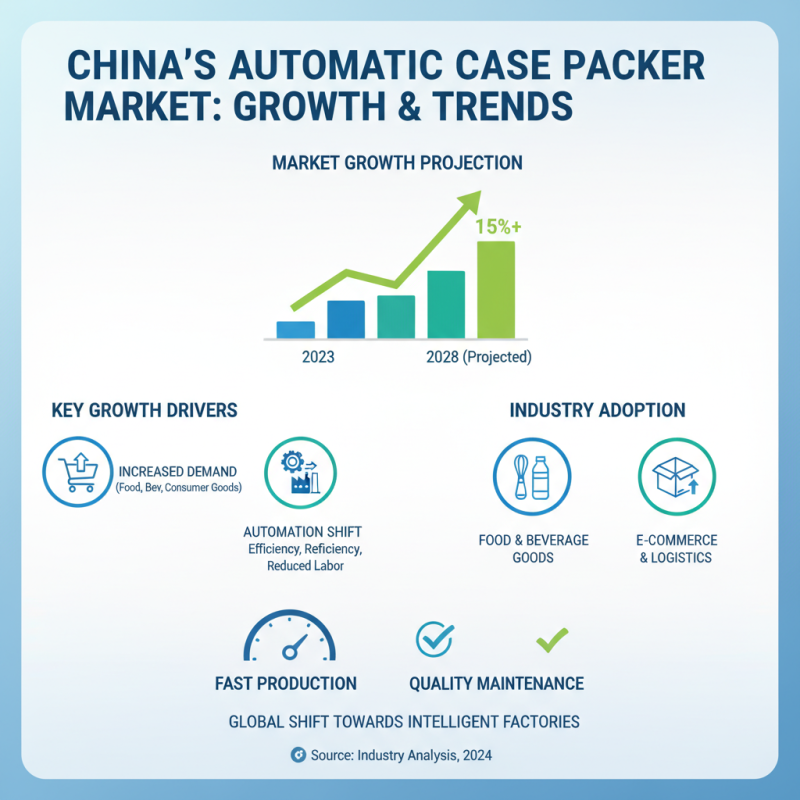
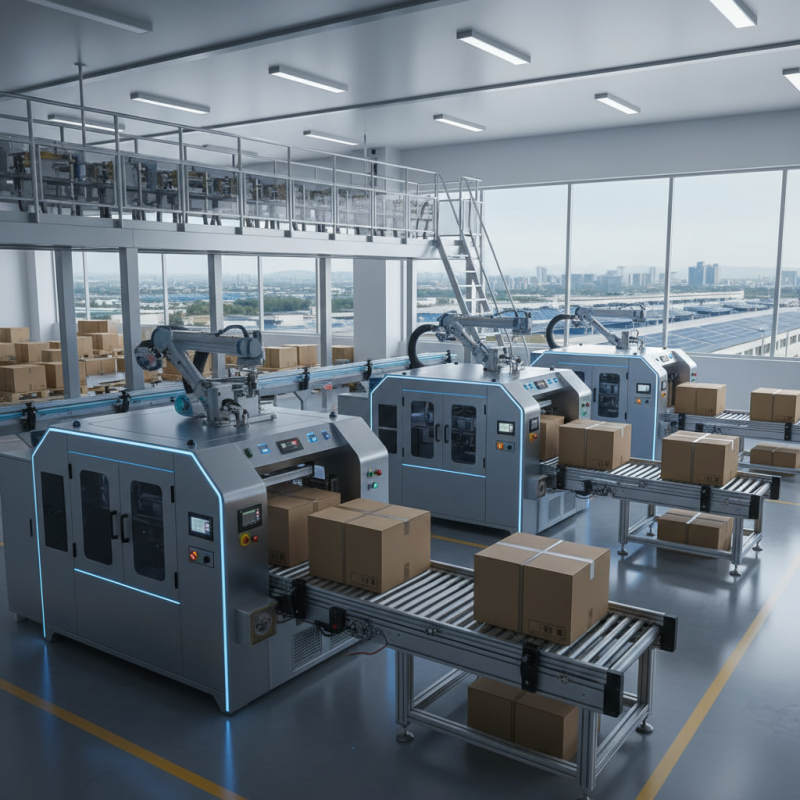
The automatic case packing industry in China has been evolving rapidly. Recent reports indicate that the market has grown by over 15% annually. This growth is driven by increasing demand for automation in packaging. Many manufacturers are investing heavily in technology. They seek to enhance efficiency and reduce labor costs.
A significant trend is the rise of energy-efficient case packers. Many companies are now prioritizing eco-friendly designs. Reports show that energy-saving machinery can reduce power consumption by up to 30%. This move aligns with global efforts to promote sustainability within various industries. However, while efficiency is improving, companies still face challenges. Issues like high initial costs and technical expertise pose barriers for smaller businesses.
Not all case packers meet industry standards. Quality control remains a critical concern. Some machinery may not work efficiently with all product types. This inconsistency can lead to operational delays. Buyers need to evaluate their choices carefully. Investing in a reliable automatic case packer requires thorough research and consideration of the specific needs of their production lines.
Top 10 Automatic Case Packers in China for Global Buyers
| Rank |
Model |
Capacity (cases/hour) |
Dimensions (L x W x H) |
Weight (kg) |
Power (KW) |
Control System |
| 1 |
Model A |
30 |
2500 x 1000 x 2000 mm |
800 |
5.5 |
PLC |
| 2 |
Model B |
40 |
2600 x 1100 x 2100 mm |
900 |
7.5 |
Touch Screen |
| 3 |
Model C |
35 |
2400 x 950 x 1900 mm |
780 |
6.0 |
PLC |
| 4 |
Model D |
50 |
2800 x 1200 x 2200 mm |
950 |
8.0 |
Touch Screen |
| 5 |
Model E |
60 |
3000 x 1300 x 2300 mm |
1000 |
10.0 |
PLC |
| 6 |
Model F |
55 |
2950 x 1250 x 2250 mm |
1100 |
9.0 |
Touch Screen |
| 7 |
Model G |
45 |
2700 x 1150 x 2150 mm |
950 |
7.0 |
PLC |
| 8 |
Model H |
65 |
3100 x 1350 x 2400 mm |
1200 |
12.0 |
Touch Screen |
| 9 |
Model I |
70 |
3200 x 1400 x 2500 mm |
1300 |
14.0 |
PLC |
| 10 |
Model J |
80 |
3300 x 1450 x 2600 mm |
1400 |
16.0 |
Touch Screen |
Market Trends and Growth Projections for Automatic Case Packers in China
The landscape of automatic case packers in China is rapidly evolving. This growth is driven by increased demand across various industries, including food, beverage, and consumer goods. Companies are shifting towards automation to enhance efficiency and reduce labor costs. The trend reflects a broader global movement towards smart manufacturing. Businesses aim for faster production rates while maintaining quality.
Market projections indicate steady growth for automatic case packers in China. Experts suggest the sector could expand significantly over the next five years. However, challenges exist. Manufacturers must invest in advanced technologies to stay relevant. This includes robotics and AI integrations, which can be costly. Moreover, companies face pressure to comply with regional standards and sustainability goals. Balancing innovation with these demands can be challenging but necessary.
Furthermore, understanding customer needs is crucial. Feedback loops help manufacturers design better solutions. Yet, many businesses still overlook this aspect. Ignoring consumer insights can hinder progress. As the market grows, it will become vital for manufacturers to adapt swiftly. Those who do will likely lead the market, while others will struggle to keep pace.
Key Players in China's Automatic Case Packer Industry: A Comparative Analysis
China's automatic case packing industry has gained significant momentum in recent years. According to a report by Grand View Research, the market size was valued at over $2 billion in 2022 and is expected to expand at a CAGR of 7% through 2030. This growth reflects the rising demand for efficiency in packaging processes across various sectors, including food and beverage, pharmaceuticals, and consumer goods.
Key players in the industry focus on automation and technology. They invest heavily in research and development to innovate their packing solutions. Advanced sensors, AI technology, and robotic arms are now common features in many packing systems. These innovations enhance accuracy and reduce labor costs. However, despite these advancements, challenges persist. Many companies struggle with the integration of new technologies into existing workflows. Training staff to operate complex machinery effectively remains a concern, affecting overall efficiency.
Data from the International Packaging Association indicates that while demand for automatic case packers is increasing, many firms still rely on traditional packing methods. This reliance highlights a potential gap in the market. Companies that adapt quickly to automation will likely find a competitive edge, but the transition requires careful planning and investment. The pathway to modernization is filled with hurdles, but the rewards could be substantial.
Technological Advancements in Automatic Case Packing Machinery
In the realm of automatic case packing, technological advancements are reshaping the industry. Automation is not new, but recent innovations are more efficient than ever. According to a 2022 report by MarketsandMarkets, the automatic case packing market is projected to reach $10.86 billion by 2026, growing at a CAGR of 8.7%. This surge is largely due to the integration of artificial intelligence and machine learning. These technologies enhance precision in packing and reduce labor costs.
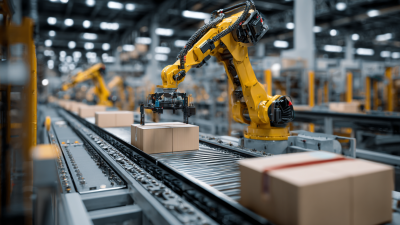
Robotic systems are now commonplace. They handle various package sizes and shapes with unmatched speed. A study by Smithers Pira highlighted that robotic case packers can increase productivity by up to 30%. Yet, this rapid growth comes with challenges. Companies often face integration issues with existing systems. Additionally, the high initial investment can be daunting for smaller firms.
As the industry evolves, flexibility and sustainability are crucial. Modern packers should adapt to different products and materials. Companies need to consider the lifecycle of their machinery. This includes potential upgrades and energy efficiency. The shift towards eco-friendly packaging is another area of focus, pushing manufacturers to rethink their processes.
Regulatory Standards and Quality Certifications for Case Packers in China
In the realm of automatic case packers, adhering to regulatory standards is vital. China has established specific guidelines that ensure safety and efficiency in manufacturing. These include ISO certifications, which verify quality management processes. Compliance with international standards showcases a manufacturer's commitment to quality and reliability.
Quality certifications play a crucial role in the selection of case packers. They provide assurance to global buyers about the machine's performance and longevity. However, obtaining these certifications can be a daunting task for manufacturers. Some may cut corners, which raises concerns about the authenticity and durability of their machines. Buyers should perform thorough checks on certification authenticity before making purchases.
Furthermore, understanding local regulations is essential for international buyers. Each region has unique requirements that can impact operational efficiency. Ignoring these factors might lead to machinery not meeting necessary compliance. It’s imperative for buyers to engage with experts who can clarify these regulations to avoid costly mistakes. Engaging in an informed purchasing process can help bridge the gap between standards and operational needs.