Top 10 Tuck End Box Manufacturers for Global Buyers
A Tuck End Box may look simple: a printed carton, two tuck flaps, and a secure closure. Yet its performance depends on board grade, crease accuracy, glue placement, and how reliably it runs on packing lines. Small differences matter. A flap that resists closing can slow packing; a weak crease can leave a shelf-ready carton looking tired.
The U.S. Environmental Protection Agency’s 2018 Facts and Figures report puts the recycling rate for paper and paperboard at 68.2 percent. That figure covers the material category, not tuck-end cartons alone, so it should not be read as a box-specific result. Smithers’ The Future of Folding Cartons to 2028 provides a broader industry view of market and technology trends. Together, these sources make a practical point: material claims need context, and a supplier’s specifications deserve careful checking.
Packaging technologist Walter Soroka is often credited with the observation, “Packaging is the largest industry in the world that nobody knows about.” For buyers, the quieter lesson is important. A polished sample proves little about repeatability. Ask manufacturers for board specifications, dielines, color-control details, and production samples. Look closely. This guide compares 10 Tuck End Box manufacturers for global buyers, focusing on capabilities, quality evidence, customization, and export readiness. No supplier is perfect; even a neat carton can disappoint when dimensions, shipping conditions, or order volumes change.
What Tuck End Boxes Are and Where They Are Used
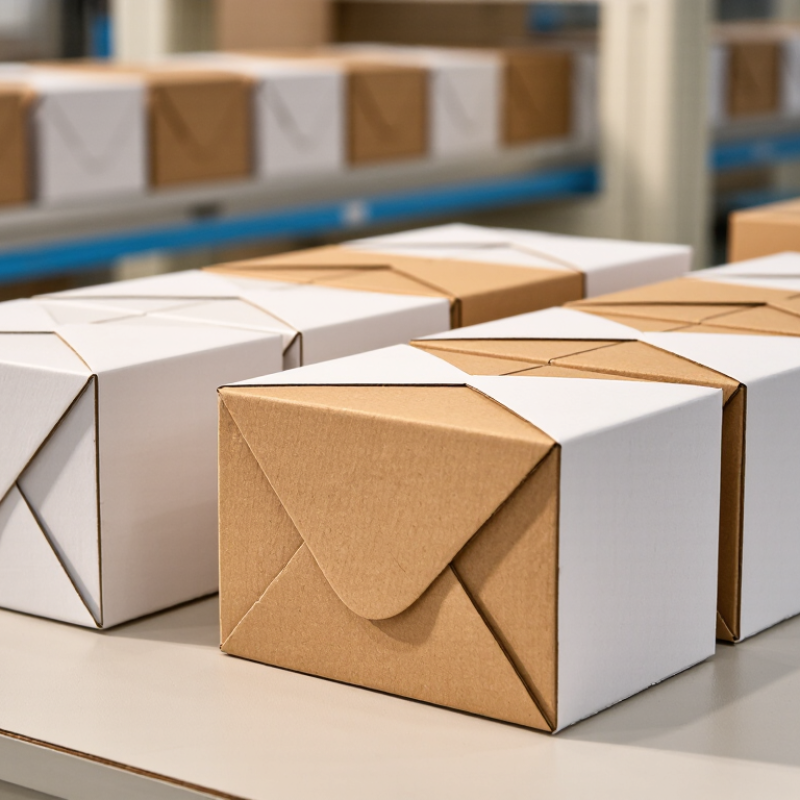
Tuck end boxes are folding cartons made from paperboard, with flaps that fold into the box’s top or bottom panels. In a straight-tuck design, both flaps close in the same direction; reverse-tuck boxes close in opposite directions. They ship flat and are erected by hand or on packaging lines. The details matter: board stiffness, flap depth, and fit affect how securely a box closes. Looks can mislead.
These cartons commonly hold cosmetics, small electronics, dry foods, and retail accessories. A clear window or paper insert can display or steady lightweight products, while heavier items may need stronger board or a separate support. A 2020 U.S. consumer study by McKinsey reported that 60–70% of respondents were willing to pay more for sustainable packaging. That finding reflects consumer attitudes, not proof that every paperboard carton is recyclable; coatings, inks, and local collection systems can change the outcome.
For global buyers, compare samples using the actual product, not an empty box. Check whether flaps stay closed after repeated handling, whether the product shifts during transit, and whether the chosen board suits the required print finish. Tuck end boxes offer practical shelf presentation, but they are not automatically the best fit for every weight, shape, or shipping route.
How to Assess Tuck End Box Manufacturers for Global Sourcing
Assess tuck end box manufacturers with a repeatable sample test, not a polished catalogue. Request the board grade, caliper, grain direction, and tolerances in writing. Then fold several cartons by hand. Do the tuck flaps close cleanly? Do glued seams hold after packing? Small inconsistencies matter when a line runs thousands of units. Ask for recent production samples and a documented inspection plan, including checks for dimensions, print registration, and adhesive strength.
Compare material claims with verifiable records. The U.S. EPA’s 2018 Advancing Sustainable Materials Management report put the recycling rate for U.S. paper and paperboard packaging at 68.2%. Eurostat reported that paper and cardboard made up 40.8% of EU packaging waste in 2022. These figures describe different regions, not a universal outcome. Still, they make it sensible to ask suppliers for material composition, recycled-content evidence, and packaging recyclability information for each destination market.
Transit performance deserves a real-world check. Share the packed product’s weight, box dimensions, and shipping route, then ask what testing supports the proposed design. A tuck end carton that looks sturdy on a desk may crush under stacked freight. Request a pilot run before committing to volume, and compare samples from separate production batches. There is a trade-off: tighter tolerances can improve assembly, but may raise cost or reject rates. Discuss it openly, and record agreed limits before ordering.
Top 10 Tuck End Box Manufacturers for International Buyers
For international buyers, comparing the top 10 tuck end box manufacturers is less about choosing the lowest quote and more about checking how each supplier handles details. A useful shortlist should include clear specifications, sample availability, production capacity, and export experience. Ask for the box’s finished dimensions, board grade, and tolerances in writing. Small differences matter.
Inspect a physical sample before approving a large order. Check whether the tuck flaps close smoothly, edges stay crisp, and printed colors match the approved proof. A box that looks sturdy on a desk may behave differently after weeks in humid transit. Request details about protective packing, pallet configuration, and expected lead times. Shipping estimates can change.
Communication is part of quality control. Ask each manufacturer to explain minimum order quantities, tooling costs, proofing steps, and how production defects are handled. Clear answers are useful; vague promises deserve another question. Ask again. Also compare how quickly suppliers respond when you revise artwork or dimensions. That process can reveal more than a polished catalog. Sustainability claims need the same care: request specific material information rather than relying on broad labels. Even a careful comparison has limits, since one sample cannot guarantee every production run.
Comparing Materials, Customization, and Production Capabilities
A tuck end box can look simple, but its board grade determines how well it protects products and runs on packing lines. Compare recycled and virgin paperboard by caliper, stiffness, print surface, and performance after scoring. A heavier board is not automatically stronger where it matters: poor grain direction or blunt creases can cause cracked edges. Small details matter.
Customization should be judged by samples, not screen previews. Ask manufacturers for a dieline, printed proof, and a production sample using the intended board and finish. Check tuck-flap fit, dust-flap coverage, glue placement, and whether boxes erect cleanly by hand or machine. For coatings, request clear recyclability guidance; “paper-based” does not mean every local collection system accepts the finished pack. Ask for proof.
Production capability includes more than press size. Confirm minimum order quantities, repeat-color controls, lead times, and how defects are inspected across a full run. The U.S. EPA’s Advancing Sustainable Materials Management: 2018 Fact Sheet reported that 33.3 million tons of paper and paperboard packaging were recycled from 41.9 million tons generated. That broad category is not a guarantee for any particular box. Buyers should compare suppliers’ material documentation and confirm local recycling acceptance before approving specifications.
How to Choose a Manufacturer for Your Packaging Needs
Choosing a tuck end box manufacturer starts with the product, not the price quote. Share the item’s dimensions, weight, and storage conditions, then request a dieline and physical prototype. Test the tuck flaps on a real sample. They should close smoothly without bulging or loosening after repeated handling. Ask which paperboard grades and calipers are available, and whether the supplier checks measurements during production. Details matter.
Production quality also depends on clear specifications. Confirm print tolerances, color approval, batch inspection, lead times, and how damaged shipments are handled. If boxes will be packed by hand, ask workers to assemble a sample run; a design that looks neat on screen may slow packing. For automated lines, test box fit at operating speed. Not always straightforward.
Environmental claims need evidence, too. The U.S. Environmental Protection Agency’s 2018 Advancing Sustainable Materials Management report estimated that 80.9% of paper and paperboard containers and packaging were recycled in the United States. This is useful context, not a guarantee that every box will be recycled. Ask for material specifications and avoid unnecessary coatings or mixed components where practical. Then compare quotations using the same board grade, dimensions, print coverage, and order quantity. A low unit price can hide costly setup fees or excess inventory. I would still verify the first production batch; paperwork alone can miss a poor-fitting tuck.