How to Choose the Best Automatic Pallet Wrapper for Your Business?
Choosing the right automatic pallet wrapper is essential for efficient operations in any warehouse or manufacturing setting. This equipment significantly impacts how products are secured for transportation and storage. An automatic pallet wrapper improves productivity by reducing manual labor, saving time, and enhancing the safety of your shipments.
When selecting an automatic pallet wrapper, consider the specific needs of your business. Factors like the size of your products, volume of packaging, and budget all play a role. Your choice should be informed by practical experience and expert opinions. Customer reviews can also provide valuable insights into which models are reliable and efficient.
Pallet wrappers come in various types, each designed for different use cases. Understanding these can help you avoid costly mistakes. Sometimes, businesses rush the decision-making process, leading to equipment that doesn’t meet their needs. Take the time to analyze features such as wrapping speed and film thickness. These details can significantly affect your bottom line.
Understanding the Basics of Automatic Pallet Wrappers
Automatic pallet wrappers are essential in many industries. They improve efficiency in packaging, ensuring goods are stable during transport. According to a report by Packaging Machinery Manufacturers Institute (PMMI), businesses that adopt these machines can see a 30% increase in packaging speed. This can significantly enhance productivity.
Understanding how these machines operate is crucial for making effective choices. An automatic pallet wrapper uses stretch film, providing tight wrapping around product loads. This reduces the risk of damage during transportation. Reports suggest that proper wrapping can lower freight claims by as much as 20%. It is necessary to consider the film's thickness and quality to ensure optimal protection.
However, not every operation requires the same type of wrapper. Factors such as load size, weight, and frequency of use will influence the decision. Small businesses might find entry-level models sufficient, while larger operations may need advanced systems. Adapting to your specific needs helps avoid overspending on unnecessary features. Evaluating these factors carefully can lead to better decision-making in equipment selection.
Key Features to Consider When Choosing an Automatic Pallet Wrapper
Choosing the right automatic pallet wrapper can significantly impact your business's efficiency and cost. Start by considering the wrapper's speed. A faster wrapper will save time and increase productivity. Look for machines that can operate at various speeds to match your workflow demands.
Next, pay attention to the wrapper's load capacity. An automatic pallet wrapper should efficiently handle the weight of your typical loads. This prevents mechanical failures and ensures consistent wrapping quality. A machine with adjustable features allows for versatility in packaging different product types.
Regular maintenance is essential for any equipment. Choose a model that offers easy access to parts and simple maintenance routines. This minimizes downtime and encourages a proactive approach to equipment care.
Ensure the wrapper has safety features. Emergency stop buttons and safety guards are critical in preventing accidents. A safe working environment not only protects your employees but also reduces liability risks.
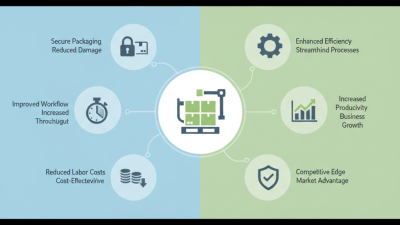
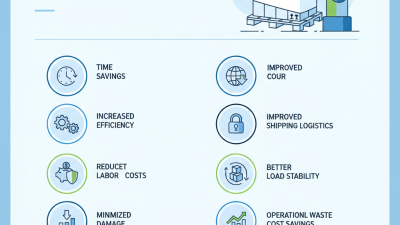
One challenge might be the initial investment cost. However, this should not deter you from upgrading. Evaluate the long-term benefits, including labor savings and material costs. Investing in the right equipment can lead to substantial savings over time, even if the upfront cost is higher.
Comparing Different Types of Automatic Pallet Wrappers
When it comes to choosing the right automatic pallet wrapper for your business, understanding the different types available is crucial. There are semi-automatic and fully automatic models. Semi-automatic wrappers require manual loading of the pallet. This can be beneficial for small-scale operations, as they tend to be more affordable but still get the job done. However, they may not provide the efficiency needed for larger production lines.
On the other hand, fully automatic pallet wrappers dramatically enhance packaging speed. These machines can wrap pallets without any human intervention. This is ideal for high-volume businesses that need consistent throughput. However, the upfront cost is often higher. It's essential to assess your production needs versus your budget. An inefficient choice can lead to wasted time and resources.
In addition to the type of wrapper, consider the features that matter most. Some wrappers come with adjustable tension controls, while others focus on speed. The effectiveness of a wrapper can vary based on the materials used and the load’s weight. Investing time in research can greatly improve the wrapping process. It's worth reflecting on how your current system operates before making a decision.
Automatic Pallet Wrapper Types Comparison
Assessing Your Business Needs for Optimal Pallet Wrapping
Assessing the pallet wrapping needs of your business is crucial for efficiency and cost savings. Industry reports show that effective pallet wrapping can reduce damage costs by up to 20%. Evaluating your daily output, load types, and product fragility can help you identify the best automatic pallet wrapper. A wrapper that suits your specific needs can enhance productivity and streamline operations.
Consider your workspace dimensions. Some machines require more space than others. Compliance with safety regulations is also a key factor. Additionally, the type of film used can impact costs significantly. According to a study by Packaging Strategies, switching to a high-performance film can save businesses around 15% in material costs. However, it may require upfront investment in new machinery.
Reflect on your current wrapping processes. Are they time-consuming and labor-intensive? Efficiency often comes down to selecting the right technology. A machine that integrates with existing systems could minimize operational disruptions. Look closely at the training required for staff. A complex setup may lead to errors, affecting output quality. Balancing cost and effectiveness is essential for long-term success.
Budget Considerations for Purchasing an Automatic Pallet Wrapper
When considering an automatic pallet wrapper, budget plays a critical role. The range of prices can be vast. It's essential to evaluate what features you require. Some wrappers have advanced features that might be unnecessary for your operations. Focus on what aligns with your specific needs and financial constraints.
Determining your ideal budget starts with assessing your current packaging volume. If you have a high throughput, investing in a more robust model can save you time and reduce labor costs. However, if your output is low, opting for a more economical option could be wise. Sometimes, cheaper models may require more frequent repairs or might lack efficiency. These hidden costs can accumulate over time.
Consider the long-term impacts of your purchase. Cheaper initial pricing might lead to higher operational costs in the future. Evaluate warranty options and service support as they reflect reliability. Frequent breakdowns can disrupt operations and increase expenses. Research is vital; gather insights from industry professionals to make an informed decision. An informed choice today can lead to significant savings tomorrow.