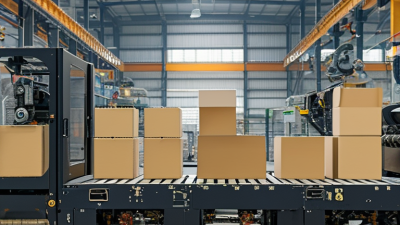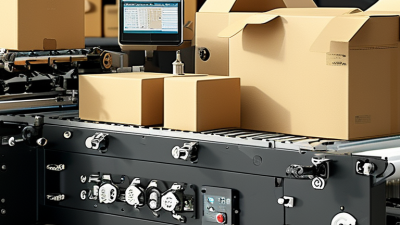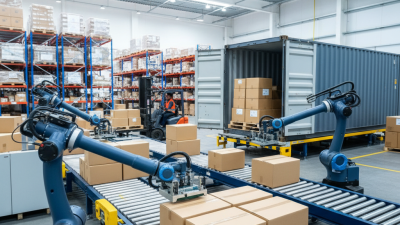
Choosing among China case packing machine suppliers requires more than comparing catalog prices. A serious evaluation begins with the product, carton style, production speed, and available factory space. A machine handling glass bottles needs different controls from one packing flexible pouches.
Packaging automation consultant Sean Riley offers a useful reminder: “The best machine is not the fastest machine; it is the one that fits the process.” That principle should guide this comparison. A supplier may advertise 30 cases per minute, but real output can change with fragile products, uneven cartons, or frequent size changes.
Small details matter.
Look for servo-driven movements, accessible changeover points, guarded working areas, and clear fault messages. Ask for a factory acceptance test using your actual product. Request videos showing case erection, loading, sealing, and reject handling under normal conditions. A polished demonstration is helpful, but it cannot replace production evidence.
This guide examines leading China case packing suppliers through practical criteria. These include engineering experience, customization capability, component quality, installation support, spare-parts access, and after-sales response. It also considers whether suppliers understand food, beverage, household, pharmaceutical, or industrial packaging requirements.
No ranking is perfect. Supplier strengths vary by application, budget, and export experience. A lower quotation may conceal longer commissioning time or difficult remote support. I have also seen buyers focus too heavily on speed and overlook changeover losses. That is an expensive mistake.
The goal is not to identify the loudest brand. It is to find a dependable partner whose case packing system performs consistently on your line.
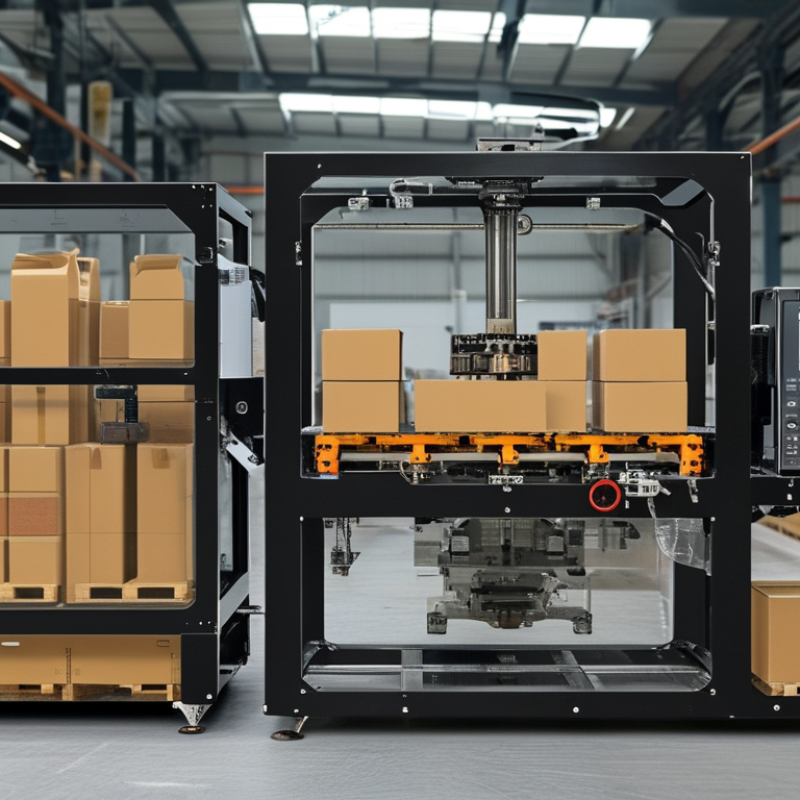
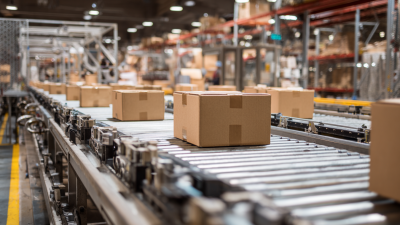
A case packing machine places individual products into shipping cases with controlled speed and accuracy. It may handle bottles, cartons, pouches, or small boxes. The process usually begins with product feeding. Sensors detect each item and guide it into a forming pattern. The machine then opens a flat case, loads the products, and seals the flaps with adhesive or tape. Some systems use robotic pickers, while others use mechanical lanes and pushers.
In practice, the first test rarely runs perfectly. Product spacing, case strength, and moisture can affect performance. An experienced supplier should study your product dimensions, packaging material, target speed, and factory layout before proposing equipment. Factory acceptance tests are valuable because they reveal jams, weak seals, or difficult changeovers. Ask for measurable data, such as cases per minute, changeover time, rejection rate, and maintenance access. Reliable suppliers should explain limitations instead of promising impossible output.
China’s case packing machine suppliers serve several fast-moving industries. Food manufacturers use them for cartons of noodles, snacks, frozen meals, and canned products. These factories often need gentle handling, cleanable surfaces, and stable packing at changing speeds. A crushed carton can stop a complete production line.
Beverage plants also rely on case packers for bottled water, juice, dairy drinks, and cans. Their machines must manage wet floors, slippery containers, and frequent format changes. Pharmaceutical factories require stricter control. Case packing systems may handle sealed medicine cartons, with barcode checks and batch traceability. Household chemical producers use similar equipment for detergent bottles, paper products, and cleaning supplies. Packaging accuracy matters because mixed cases create warehouse delays.
E-commerce fulfillment and pet food production are growing users in China. Online orders often require flexible carton sizes and quick changeovers. Pet food factories usually need robust machines for heavy bags, pouches, and cans. Agricultural processors may pack tea, fruit, grains, and prepared vegetables. Conditions vary widely.
A practical supplier should understand the product, carton strength, factory layout, and target speed. It should also provide testing with real materials. No machine fits every factory. This is where many projects go wrong. Buyers sometimes focus on speed and overlook maintenance access. My experience suggests that simple cleaning and reliable sensors often matter more than impressive specifications. Supplier support, spare parts, operator training, and safety documentation should receive equal attention.
Who Are the Top China Case Packing Machine Suppliers?
The top China case packing machine suppliers are experienced manufacturers with proven end-of-line engineering skills. Many operate in Guangdong, Zhejiang, Jiangsu, and nearby industrial regions. Their strengths include robotic case packers, wrap-around packers, pick-and-place systems, and integrated carton handling equipment. A reliable supplier should show factory testing records, machine videos, and clear production data.
Look for suppliers that understand your product, carton size, speed, and factory layout. A serious engineering team will ask about bottle shape, product spacing, case strength, and changeover frequency. It should also provide drawings before production. Servo drives, adjustable guides, safety doors, and accessible control panels improve daily operation. Ask for references from similar applications, not only impressive showroom projects.
Details matter. Watch how cartons move around corners. Check whether operators can replace belts without special tools. Request sample packing tests using your actual products and cartons. Some suppliers promise high speed too early. That deserves caution. A machine may reach its rated output in ideal conditions, but unstable cartons can reduce real performance. No supplier is perfect. Even experienced manufacturers may underestimate installation time or training needs. A written acceptance plan, spare-parts list, remote support process, and warranty scope can prevent costly misunderstandings. The strongest suppliers remain transparent when a design needs adjustment.
| Anonymous Supplier Profile | Primary Packing Solution | Typical Speed Range | Common Case Styles | Suitable Product Types | Customization Strength | Best Fit |
|---|---|---|---|---|---|---|
| Profile A: High-Speed Integrated Supplier | Automatic wrap-around and top-load case packing lines | 20–60 cases/min | Regular slotted cases, wrap-around cases, display-ready cases | Cartons, bottles, cans, trays and packaged food | High; suitable for conveyors, sealing, coding and palletizing integration | Large factories requiring continuous production and centralized line control |
| Profile B: Robotic Flexible-Line Supplier | Robotic pick-and-place and case-loading systems | 8–35 cases/min | Regular slotted cases, open-top cases, partitioned cases | Irregular cartons, pouches, trays, bottles and mixed product formats | Very high; vision inspection and multi-format tooling are commonly available | Manufacturers with frequent product changes or mixed-SKU production |
| Profile C: Compact Automatic Supplier | Intermittent-motion side-load and vertical case packers | 5–20 cases/min | Regular slotted cases and simple wrap-around cases | Bags, cartons, pouches, sachets and lightweight consumer products | Medium; format changes generally require manual adjustment or change parts | Small and medium-sized plants with limited floor space and moderate output |
| Profile D: Heavy-Duty Industrial Supplier | High-load case packing and end-of-line automation | 5–25 cases/min | Heavy-duty regular slotted cases and reinforced shipping cases | Beverage packs, hardware, chemicals, building products and industrial goods | High; machine frames, conveyors and grippers can be engineered for heavy loads | Industrial operations prioritizing durability, load handling and long service life |
| Profile E: Turnkey Export-Oriented Supplier | Complete case packing lines with controls, testing and installation support | 10–45 cases/min | Regular slotted, wrap-around, display-ready and tray-style cases | Food, beverage, personal care, household products and general consumer goods | High; commonly supports factory acceptance testing and documentation packages | Overseas buyers seeking one supplier for engineering, delivery and commissioning |
How Should You Compare Chinese Case Packing Machine Suppliers?
Comparing Chinese case packing machine suppliers requires more than checking catalog prices. Define your case size, product weight, packing pattern, and required output before requesting quotations. A supplier should explain how the machine handles your real products, not only standard samples. Ask for a video test using similar cartons and products. Look beyond the brochure. Production evidence matters.
Review the supplier’s engineering experience, factory controls, and quality inspection records. Request drawings, electrical lists, safety documentation, and a clear acceptance-test plan. A reliable supplier will discuss changeover time, sensor accuracy, servo performance, and carton stability in practical terms. Compare installation training, spare-parts availability, response times, and warranty limits. These details often affect production more than the initial price.
Speak with recent customers, preferably those using similar packaging formats. Ask whether the machine reaches its promised speed after installation, not just during a short demonstration. Check how the supplier manages design changes and replacement parts. A low quote can look attractive, but it may hide expensive adjustments later. I would also compare total ownership costs over three years, including maintenance, energy, labor, and downtime. Some evaluations still miss operator feedback. That is a weakness worth correcting. The best supplier is not always the cheapest or the largest; it is the one that provides transparent evidence, practical support, and a machine suited to your working conditions.
Choosing a China case packing machine supplier requires more than comparing quotations. Check engineering evidence, not only factory photos. The International Federation of Robotics reported 276,288 industrial robots installed in China during 2023. That represented 51% of global installations. This scale suggests strong automation capability, but it does not guarantee reliable case packing performance.
Ask for a live trial using your cartons, products, speeds, and packaging materials. Measure changeover time, packing accuracy, reject rates, noise, and compressed-air consumption. Request a written acceptance test with measurable limits. PMMI’s 2023 State of the Industry report identified labor shortages and automation investment as continuing packaging concerns. Therefore, examine how the supplier reduces manual adjustments. Confirm electrical standards, software access, spare-parts availability, and remote diagnostics. A low price can become expensive when one sensor stops production. I have seen specifications look complete, yet omit maintenance response times.
Tips: Visit an operating installation if possible. Speak with its operator, not only the sales team. Check whether manuals include clear drawings and fault codes. Ask for three comparable references. Review warranty exclusions carefully. A video call is useful, but insufficient. Also, test difficult cartons, because perfect samples can hide weak feeding systems. The wrong carton size may expose the problem quickly. Finally, verify quality procedures against relevant ISO 9001 practices and request inspection records. No supplier is flawless. Your evaluation should leave room for questions.
Before choosing a supplier, evaluate manufacturers against the criteria below. These suggested weights reflect the main practical factors that influence case-packing machine purchasing decisions.
How to use this chart: Request comparable technical specifications, machine videos, factory audit evidence, sample-testing results, warranty terms, spare-parts availability, and after-sales support. A supplier with a high total evaluation score should demonstrate balanced performance across all criteria rather than relying on a low purchase price alone.