BLOG

What Is a Wrapping Machine and How Does It Work?

A wrapping machine is industrial equipment that covers products with film, paper, or another protective material. It appears in warehouses, food plants, distribution centers, and manufacturing lines. The machine may handle one carton or thousands of packages per hour. Its purpose is practical: protect goods, stabilize loads, and improve handling.

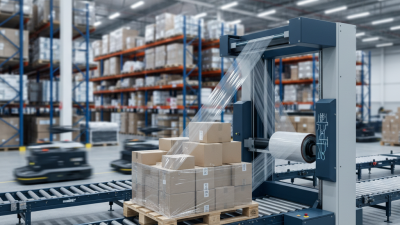
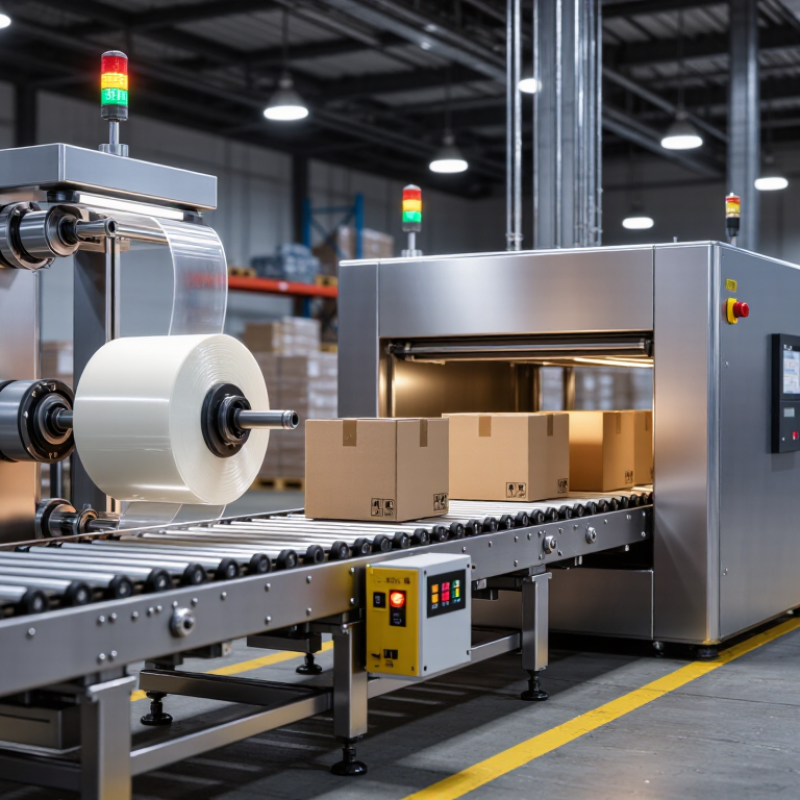
The process begins when a conveyor moves a product into position. Sensors detect its size, height, and location. A film roll then feeds material around the product at a controlled speed. Rollers maintain tension, while guides keep the film aligned. Depending on the design, the machine may stretch the film, apply heat, fold edges, or seal the package. A cutting unit finishes the wrap cleanly. Small adjustments matter. Too much tension can crush packaging, while too little can leave loose film.

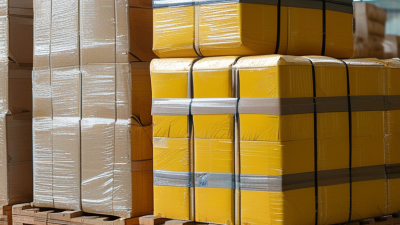
Different machines suit different products. Stretch wrapping machines often secure pallets and heavy loads. Shrink wrapping machines use heat to tighten plastic film around retail packs. Flow wrapping equipment creates sealed packages for individual products, such as baked goods or household items. Each system requires suitable film, settings, maintenance, and operator training. In real facilities, dust, uneven cartons, and changing product sizes can reduce performance. No machine is perfect.

This guide explains the main components, operating stages, and common machine types. It also considers efficiency, package quality, and safe working practices. The details reflect standard industrial principles, but manufacturers may use different controls and configurations. Always confirm specifications through the equipment manual and qualified technical support.
What Is a Wrapping Machine and How Does It Work?

What Is a Wrapping Machine?

A wrapping machine is industrial equipment that covers products with film, paper, or another flexible material. It may wrap one item, a grouped load, or a pallet. The term is broad, not a single machine type. Common systems use stretch film, heat-shrink film, or preformed wrapping material. Each method serves different products and handling conditions.

During operation, conveyors position the product precisely. A film carriage, sealing jaw, or wrapping arm then applies the material. Stretch systems extend film around a pallet while controlling tension. Shrink systems seal the film and use heated air to tighten it. Flow wrappers form a film tube around individual products, seal the edges, and cut separate packs. Sensors check product presence, film position, and sealing timing. A trained operator still matters. Dust, uneven loads, and poor film tension can cause loose corners or broken seals.

A 2024 Grand View Research report estimated the global packaging machinery market at about 52.8 billion U.S. dollars in 2023. Its forecast also indicates continued growth through 2030, supported by automation and higher packaging demand. PMMI’s packaging machinery research similarly highlights labor efficiency and operational flexibility as important purchasing factors. Yet speed alone does not define a good wrapping machine. In practical trials, excessive tension may crush cartons, while insufficient tension leaves unstable loads. The machine is efficient, but not intelligent in every situation. Product shape, film behavior, and workplace conditions still require careful adjustment.

What Types of Wrapping Machines Are Available?

Wrapping machines secure products with film, paper, or other flexible materials. Their design changes with product shape, speed, and protection requirements. Grand View Research valued the global packaging machinery market at about USD 55 billion in 2023. Wrapping equipment represents one practical segment within that expanding market.

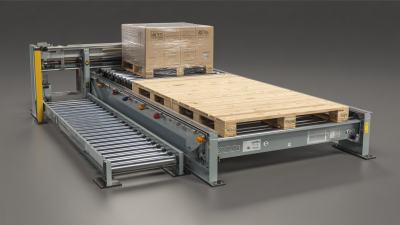
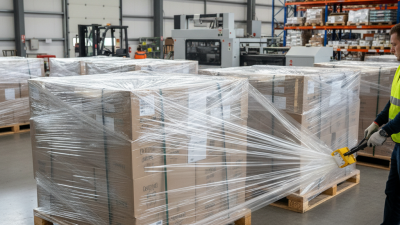
Stretch wrapping machines rotate pallets while applying elastic film around loads. They suit warehouses handling cartons, drums, and mixed pallets. A pre-stretch unit can reduce film consumption, although savings depend on load stability and operator settings.

Shrink wrapping machines use heat to tighten plastic film around grouped products. They create neat, tamper-evident packs, but heat-sensitive goods need careful testing.

Flow wrapping machines form a continuous film tube around individual items, such as food packs, medical supplies, or household products. They offer high output and consistent seals. The PMMI report Packaging Machinery: Trends and Forecasts identifies labor efficiency and automation as major purchasing pressures in packaging operations.

Other options include orbital wrappers for long products, vertical wrappers for irregular loads, and horizontal wrappers for furniture or building materials. Automatic machines reduce manual handling, while semi-automatic models may fit smaller production lines.

Smithers’ packaging forecasts show continued growth in flexible packaging demand through 2028, supported by lightweight material use and e-commerce distribution. Still, the cheapest machine is rarely the best choice. Film waste, maintenance access, sealing quality, and changeover time can quietly raise operating costs. Real production trials matter. They expose assumptions that brochures often miss.

How Does a Wrapping Machine Work Step by Step?

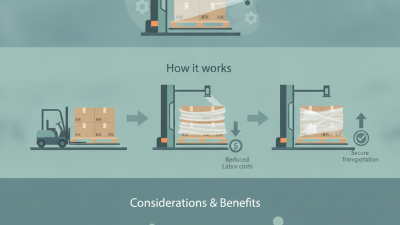
A wrapping machine secures products with stretch film, shrink film, or another protective material. Its exact process depends on the machine design. A pallet wrapper, for example, usually combines a rotating platform, film carriage, sensors, and a control panel.

The operator places the load on the platform and checks its stability. The film roll is fitted onto the carriage. Settings are adjusted for speed, film tension, wrapping height, and the number of layers.

A sensor detects the load’s edges and starts the cycle. The platform rotates while the carriage moves upward.

Film tension keeps the material close to the boxes without crushing them. The carriage then moves downward, covering lower gaps.

Some machines use a hot wire or cutting unit to separate and seal the film. The wrapped load leaves through a conveyor or is removed manually.

That is the normal sequence.

Real loads are less predictable. Uneven cartons may lean, while sharp corners can tear the film. Experienced operators watch the first cycle and adjust tension carefully.

Too little tension causes loose packaging. Too much tension may damage soft products.

Sensors also need regular cleaning because dust can affect detection. A practical inspection checks film overlap, sealed ends, pallet stability, and exposed corners.

The machine should stop immediately if the load shifts.

Small setting errors are easy to overlook, especially during busy production, so operators should record changes and review them after each trial.

What Materials Can a Wrapping Machine Handle?

A wrapping machine handles different materials according to its film path, sealing unit, tension system, and heating method. The most common option is stretch film, usually made from polyethylene. It wraps cartons, trays, and pallet loads without heat. The film clings tightly around the load. Good tension matters here.

Shrink film is another widely used material. It may contain polyolefin or other heat-shrinkable plastics. The machine seals the film, then controlled heat pulls it around the product. This creates a neat, protective package. However, excessive heat can damage thin plastic, printed surfaces, or temperature-sensitive goods. The setting is not always obvious.

Some machines work with paper, foil laminates, or lightweight mesh. Paper can suit products needing a more natural appearance, but it may tear around sharp corners. Foil laminates help block light and moisture in suitable packaging applications. Mesh can hold produce while allowing airflow. Not every wrapping machine accepts these materials. Thickness, width, roll diameter, and sealing temperature must match the equipment.

In practical trials, operators should test a real product, not only an empty box. Corners may puncture film. Dust can weaken seals. A film that looks efficient may create excessive waste when tension is poorly adjusted. I have seen specifications appear flexible, yet small changes in material stiffness caused unstable wrapping. That detail deserves attention. A short trial can reveal wrinkles, weak seals, and slipping layers before regular production begins.

What Factors Should Guide Wrapping Machine Selection?

What Is a Wrapping Machine and How Does It Work?

When choosing a wrapping machine, product fit matters more than impressive speed. A machine may wrap 120 packs per minute, yet struggle with uneven products or fragile edges. Check product dimensions, weight, shape, and surface texture. Also measure the required film width and sealing temperature. According to PMMI’s packaging machinery reports, automation investment remains strongly linked to labor shortages and production efficiency. That makes reliable changeovers important, not optional.

Total cost deserves equal attention. Ask about energy use, film waste, maintenance access, spare parts, and operator training. A compact machine can reduce floor space, but limited access may slow cleaning. Smithers’ market research projects continued global growth in packaging demand through 2028. More output does not always mean better value. In practice, stable sealing and fewer stoppages often outperform maximum rated speed. This is where selection becomes less obvious.

Tips: Test real products before purchase. Run different film types. Record seal strength, waste, changeover time, and downtime. Request factory acceptance data, not only brochure figures. Leave room for future product sizes. A slightly slower machine may be the wiser choice. We sometimes overestimate speed and underestimate maintenance. That mistake is expensive.

Go to Top