What Is the Best Automatic Case Packer from China?
Choosing the best automatic case packer from China requires more than comparing prices or polished product videos. The right machine must match your cartons, products, line speed, factory space, and maintenance skills. A small mismatch can cause crushed boxes, unstable stacking, or frequent stoppages.
Jorge Izquierdo, Vice President of Market Development at PMMI, has said, “Automation must solve a real production problem, not simply add technology.” That principle matters when evaluating Chinese packaging equipment. A reliable automatic case packer should provide consistent product loading, accurate case forming, gentle handling, and stable sealing during long production runs. Look closely at servo systems, gripper design, changeover time, safety guarding, and control-panel usability. These details appear small. They are not.
Real experience also matters. Ask whether the manufacturer has packed products similar to yours, including bottles, pouches, cartons, or irregular containers. Request a factory acceptance test using your actual product and case dimensions. Review spare-parts availability, remote support, installation guidance, and technician response times. Supplier certifications help, but they do not replace evidence from operating machines.
Some buyers focus too heavily on initial cost. That can be a mistake. Energy use, rejected cases, downtime, and difficult adjustments may quietly increase ownership costs. Still, no supplier is perfect, and even a strong machine may need thoughtful commissioning. This guide compares Chinese automatic case packer manufacturers through performance, engineering capability, customization, service reliability, and long-term value.
What Is an Automatic Case Packer?
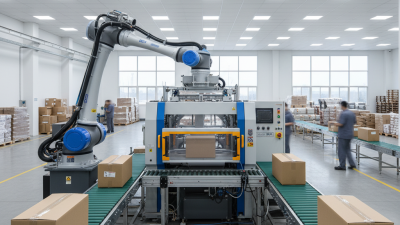
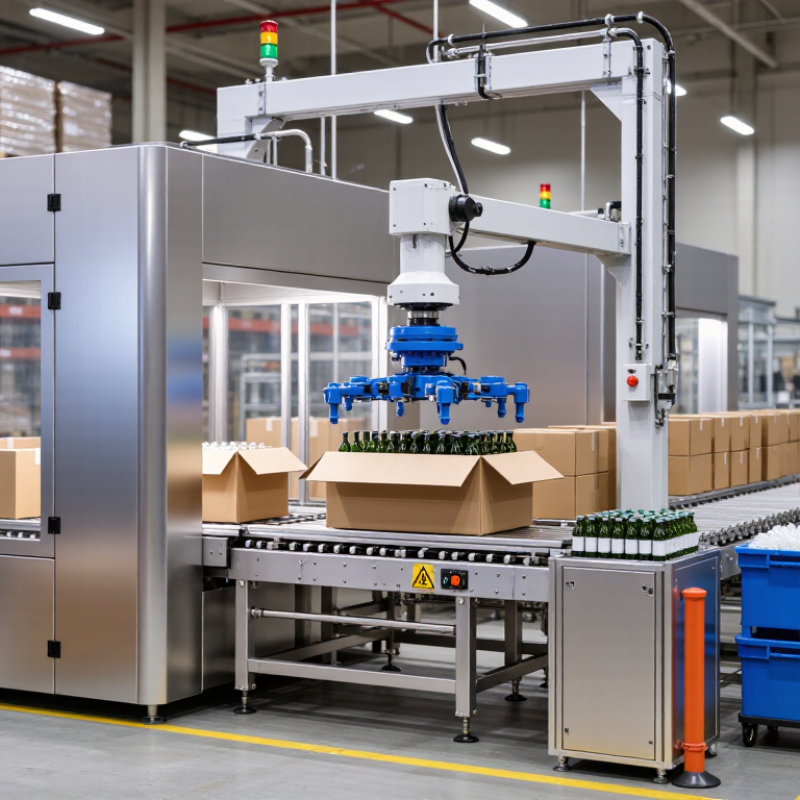
An automatic case packer loads products into shipping cartons without constant manual placement. It can form cartons, arrange items, insert them, close flaps, and apply adhesive or tape. Sensors check product presence and carton position during each cycle. The machine may handle bottles, pouches, trays, or boxed goods, depending on its tooling. Consistency matters. In a Chinese packaging plant, operators usually monitor the infeed, carton magazine, and control panel.
A reliable evaluation looks beyond advertised speed. Engineers should verify carton dimensions, product weight, changeover time, and rejection accuracy. Ask for factory acceptance testing with real products and approved cartons. Check whether the machine maintains stable packing at different speeds. Clear manuals, spare-part lists, electrical drawings, and remote technical support also reveal supplier competence. Safety guards and emergency stops should be easy to inspect and use.
No machine is perfect. A case packer can still misfeed products when cartons vary slightly or packaging becomes soft. That weakness deserves testing, not excuses. I would rather see a slower trial with honest data than a fast demonstration using ideal samples. For buyers comparing automatic case packers from China, build quality, service response, and format flexibility may matter more than the highest stated output. A thoughtful supplier should explain limitations, record test results, and adjust tooling when the line exposes a problem.
How Chinese Case Packers Work
A Chinese automatic case packer moves products from an infeed conveyor into shipping cartons with controlled timing. The process usually starts with carton erection and bottom sealing. Sensors check carton position, product spacing, and carton presence. A servo-driven grouping system then arranges bottles, boxes, or pouches into the required pattern. The loading unit pushes or picks the grouped products into the carton. Top flaps close afterward, followed by tape or hot-melt sealing.
Modern machines commonly use PLC control, touchscreens, photoelectric sensors, and adjustable guides. Operators can store packing recipes for different carton sizes. Servo motors improve positioning accuracy during frequent product changes. Stainless steel surfaces support routine cleaning, especially in dusty or moisture-sensitive production areas. From factory testing experience, stable feeding often matters more than impressive machine speed. A fast packer cannot compensate for uneven product spacing.
Chinese case packers are often configured around a customer’s carton dimensions, production rate, and available floor space. Before purchase, buyers should request sample packing tests, cycle-time records, safety documentation, and spare-parts lists. Factory acceptance testing can reveal weak carton quality, difficult changeovers, or unstable loading. No machine is perfect. A rushed adjustment may still cause jams. Regular lubrication, sensor cleaning, and operator training protect long-term performance. Remote support helps, but clear manuals and accessible technicians remain important.
What Is the Best Automatic Case Packer from China? - How Chinese Case Packers Work
| Case Packer Configuration |
How It Works |
Typical Output |
Suitable Products |
Case Styles |
Typical Changeover |
Typical Footprint |
Best Application |
| Horizontal Side-Load Packer |
Products are collated into groups, pushed horizontally into pre-formed corrugated cases, and then sealed. |
Approximately 10–30 cases/minute |
Cartons, pouches, trays, sachets, and wrapped products |
Regular slotted container; open-top cases |
About 15–45 minutes, depending on format parts |
Approximately 4–8 m² |
Flexible secondary packaging lines requiring gentle product handling |
| Vertical Drop-Load Packer |
Products are grouped above the case and lowered or dropped vertically into the case before closure. |
Approximately 8–25 cases/minute |
Bottles, cans, bags, cartons, and rigid containers |
Regular slotted container; open-top cases |
About 20–50 minutes |
Approximately 5–10 m² |
Rigid products that can tolerate controlled vertical loading |
| Wraparound Case Packer |
A flat corrugated blank is folded around the grouped products, glued, and compressed to form the case. |
Approximately 15–40 cases/minute |
Bottles, cans, cartons, trays, and multipacks |
Wraparound cases and shelf-ready packaging |
About 20–60 minutes |
Approximately 6–12 m² |
High-throughput lines seeking reduced corrugated material use |
| Robotic Top-Load Packer |
A programmed robotic arm uses a mechanical or vacuum gripper to pick products and place them into cases. |
Approximately 5–20 cases/minute |
Mixed-size cartons, bags, trays, bottles, and irregular products |
Open-top cases; regular slotted containers |
About 10–30 minutes for recipe-based changes |
Approximately 8–18 m², including robot safety guarding |
High product variety, mixed-case packing, and flexible production |
| Continuous Motion Packer |
Product collation, case loading, flap folding, and sealing occur in synchronized continuous motion. |
Approximately 20–60 cases/minute |
Standardized cartons, bottles, cans, and multipacks |
Regular slotted containers; wraparound cases |
About 30–90 minutes |
Approximately 10–20 m² |
Stable, high-volume production with consistent product dimensions |
Selection note:
The best automatic case packer depends on product dimensions, case pattern, required speed, available floor space, product fragility, and the required level of format flexibility. The performance figures above are typical engineering ranges; final specifications should be confirmed through product and case testing.
Key Features of the Best Case Packers
What Is the Best Automatic Case Packer from China?
The best case packer matches your product, case size, and production speed. In practical factory evaluations, stable feeding matters more than impressive speed. A reliable machine should handle bottles, cartons, or pouches without crushing corners. Servo-driven infeed systems can place products accurately. Adjustable guides reduce jams during size changes. Clear sensors help operators find faults quickly.
Key features include
tool-free changeover, strong frame construction, and simple controls. A stainless-steel working area supports regular cleaning. Recipe storage can reduce setup errors between product sizes. A useful control panel should show alarms, production counts, and air pressure. Remote support is valuable, but local technicians still matter. Ask for factory acceptance testing with your actual products and cases. Check drop tests, seal alignment, and continuous running performance.
Small details often decide the result. A wide access door makes maintenance less frustrating. Spare parts should be listed clearly before purchase.
Energy use and compressed-air demand also affect operating costs. Do not trust speed claims alone.
I have seen fast machines lose time through poor carton feeding. That lesson is easy to forget. The better choice is a balanced system, supported by drawings, training, inspection records, and honest communication from the Chinese manufacturer.
How to Compare Chinese Case Packer Manufacturers
What Is the Best Automatic Case Packer from China?
The best automatic case packer depends on your cartons, products, speed, and factory layout. When comparing Chinese case packer manufacturers, ask for evidence rather than polished brochures. A reliable supplier should explain loading patterns, carton tolerances, changeover time, and rejected-case control. Request a test using your actual products and cartons. Small differences matter. A stable machine should form, load, close, and seal cases without frequent manual adjustment.
Manufacturer experience deserves close attention. Review similar installations, production records, and customer references from comparable industries. Ask whether the supplier designs the electrical cabinet, conveyor system, and safety controls internally. Clear drawings and a detailed parts list show stronger engineering discipline. During a factory visit, inspect weld quality, cable routing, guarding, and access for cleaning. These details often reveal more than a sales presentation.
Cost comparison needs patience. A low quotation may exclude conveyors, tooling, spare parts, installation, or operator training. Compare the complete project scope line by line. Check the warranty response process and the availability of remote troubleshooting. Language can create delays. Confirm technical terms in writing. I have seen buyers focus on packing speed and overlook changeover time. That mistake becomes expensive when product sizes change weekly. No manufacturer is perfect, so discuss known limitations openly and record agreed improvements before signing. Ask for factory acceptance testing, performance targets, and documented corrective actions.
Choosing the Right Automatic Case Packer for Your Factory
Choosing the Right Automatic Case Packer for Your Factory
The best automatic case packer from China is not always the fastest model. It must match your cartons, products, floor space, and operators. In factory trials, poor carton alignment often causes more stoppages than slow cycle speed. Check the packer’s working range, including case length, width, height, and board thickness. Ask for recorded test results using your real products, not sample boxes. A stable 12 cases per minute can outperform an advertised 20-case rate.
PMMI’s Packaging Machinery: State of the Industry reports repeatedly identify labor availability, flexibility, and equipment reliability as major automation concerns. The International Federation of Robotics reported 541,302 industrial robots were installed worldwide in 2023. This supports broader automation growth, but a case packer still needs practical human support. Review servo control, changeover time, jam recovery, guarding, and spare-parts access. A machine may look advanced. Its maintenance screen may still be confusing.
Tips: Request a factory acceptance test with your cartons. Measure changeover time with an operator. Confirm remote diagnostics, training, warranty limits, and electrical standards. Ask for five consecutive hours of production data. Do not judge only by speed. Noise, glue quality, carton damage, and rejected cases matter too. One imperfect detail deserves attention: suppliers may provide impressive test videos, but videos rarely show recovery after a misfeed. Include that test in your purchase decision.